How the program works
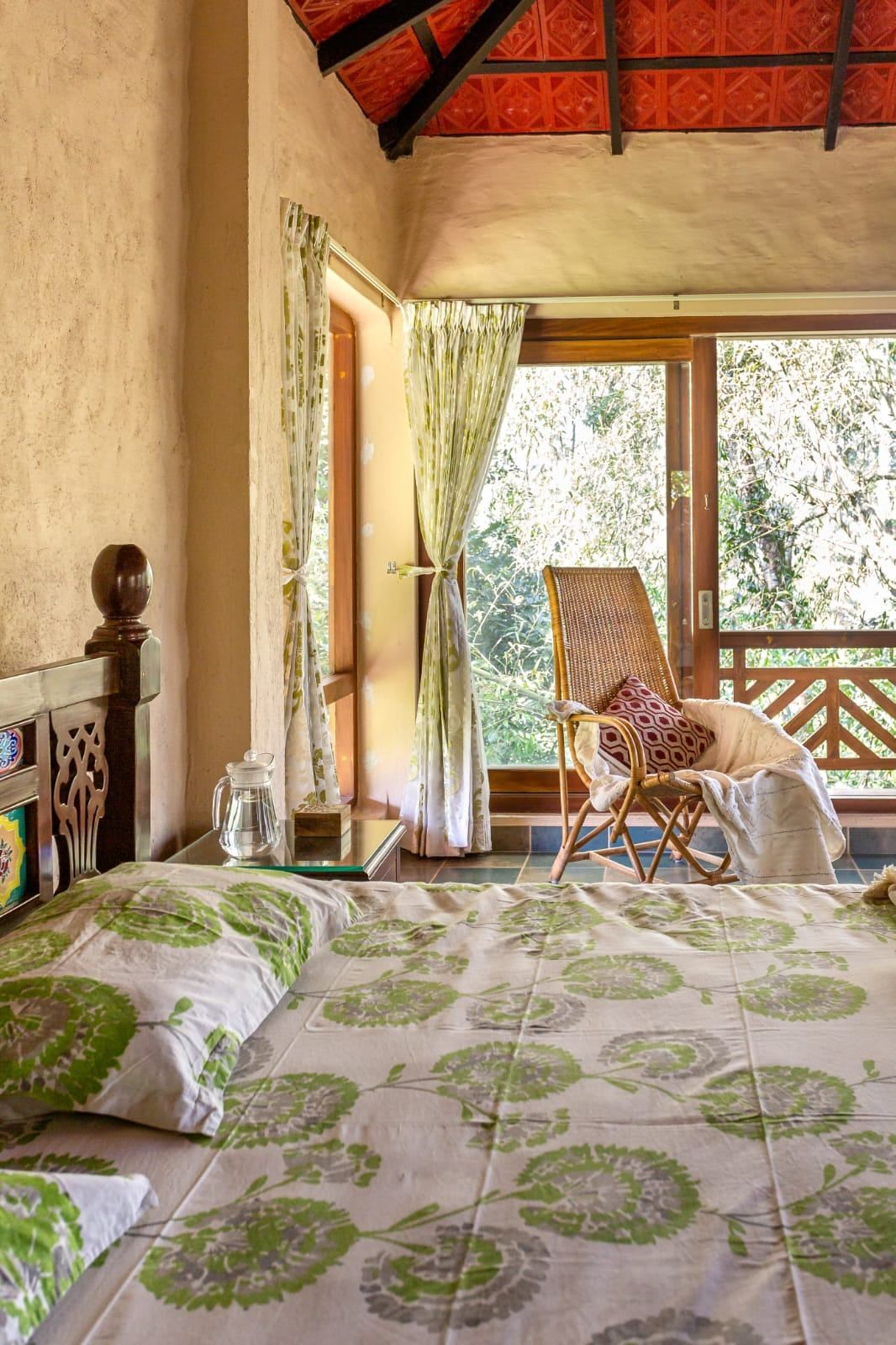
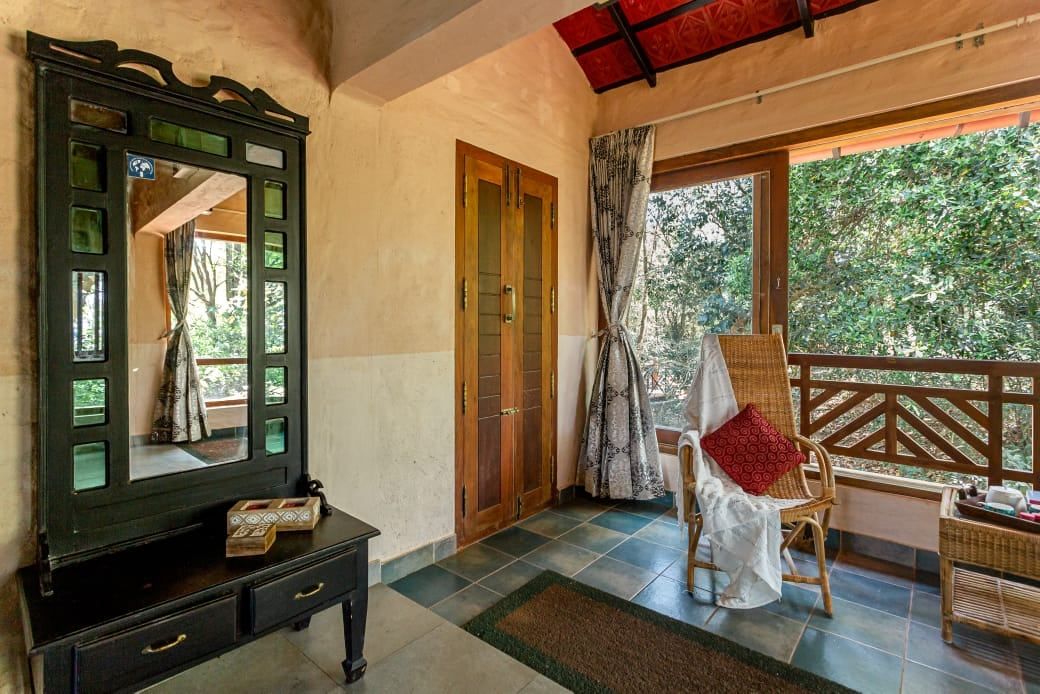
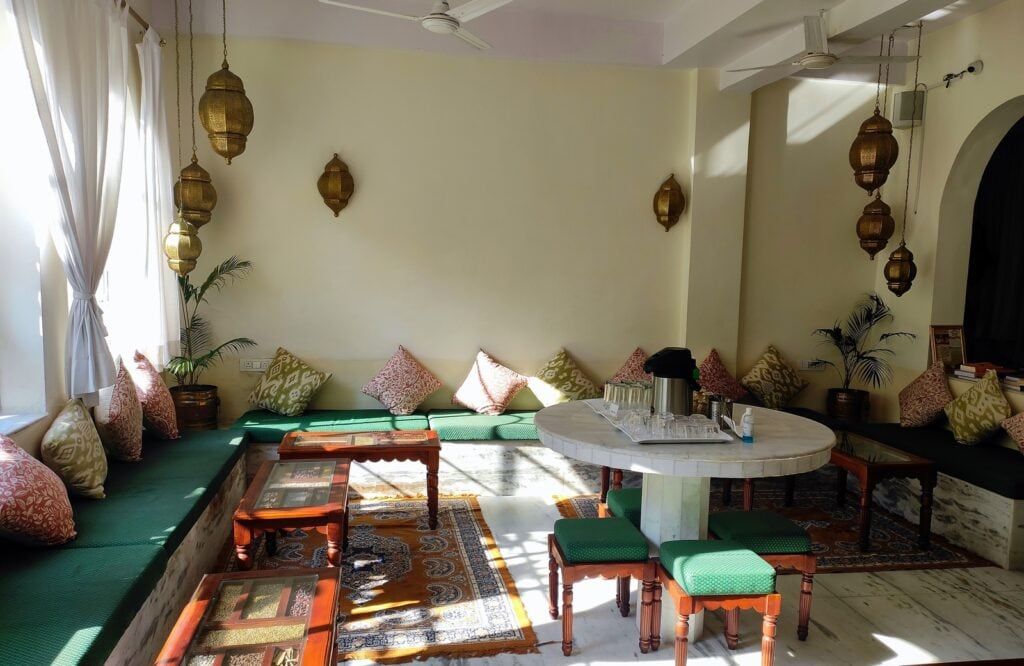
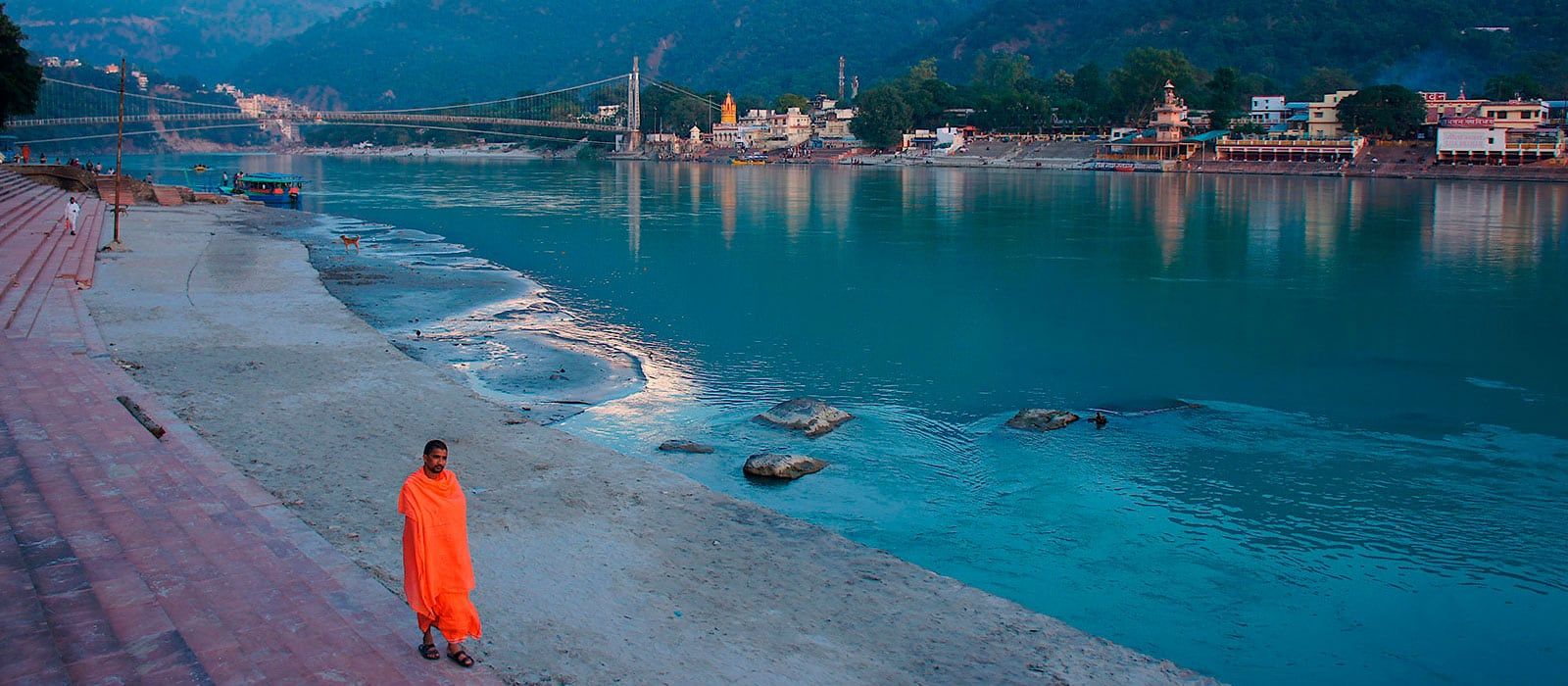
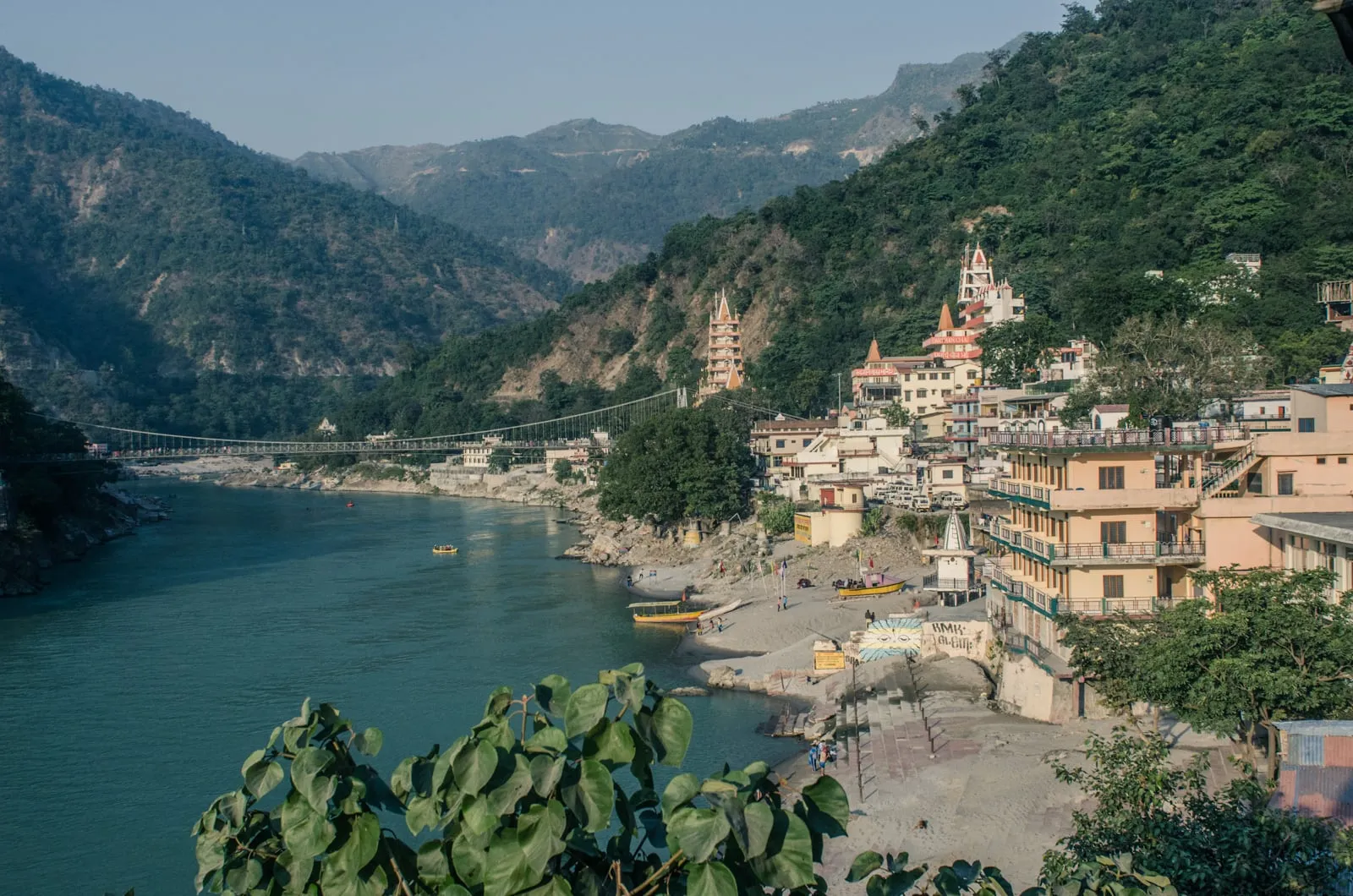
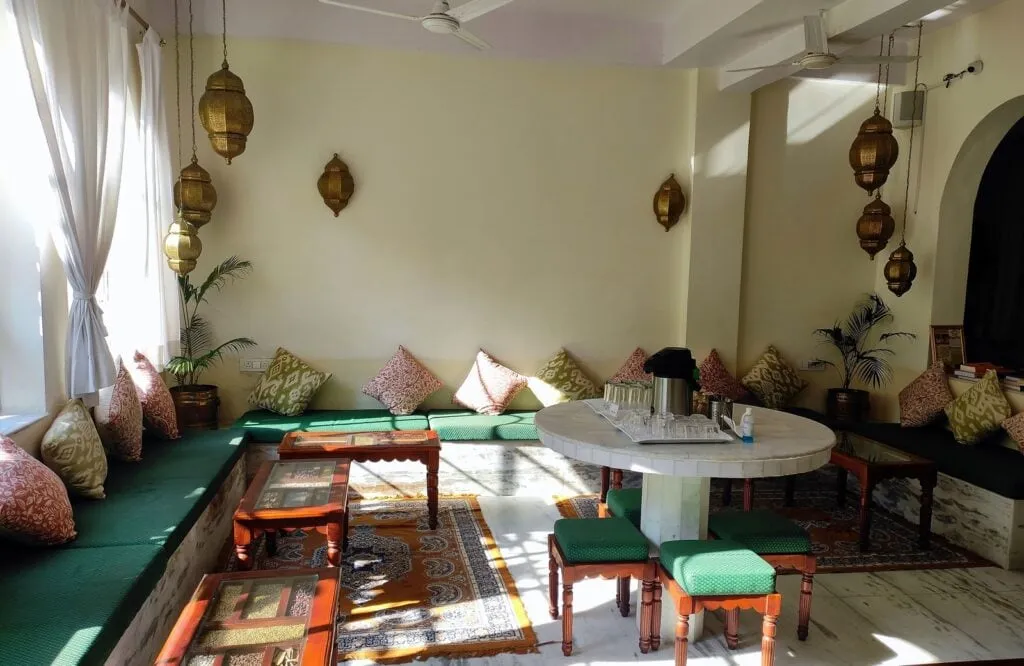
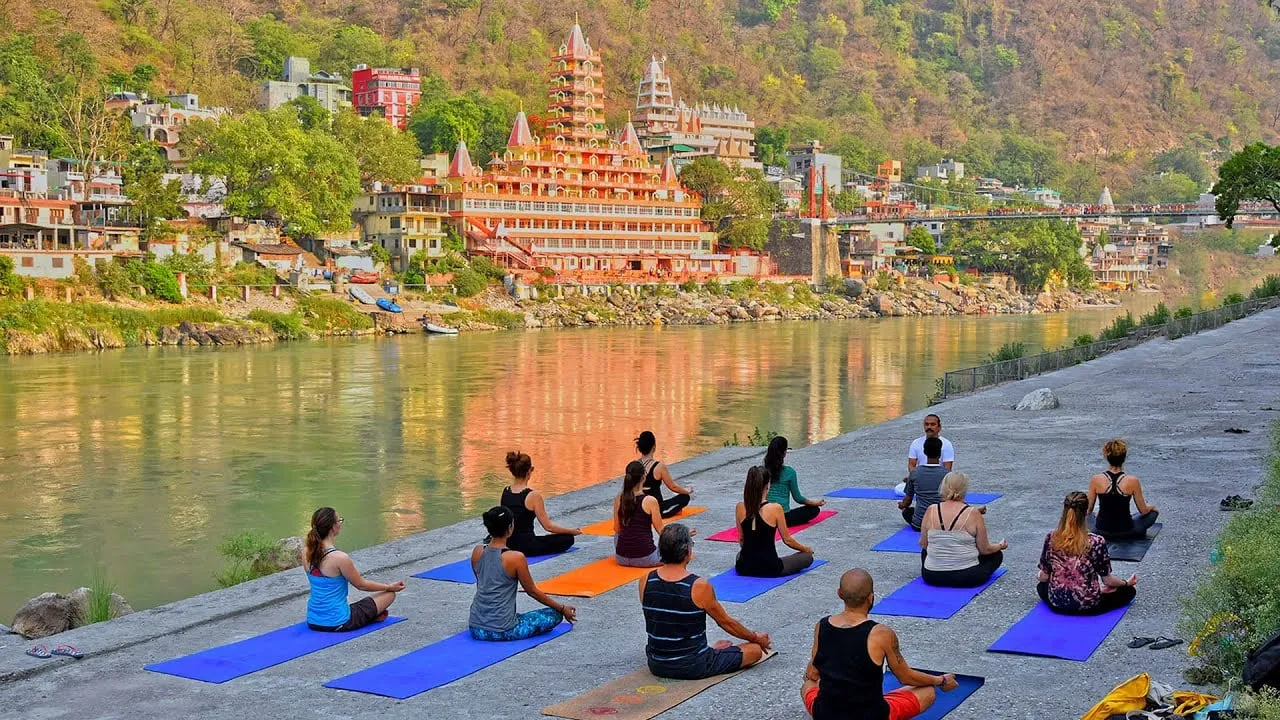
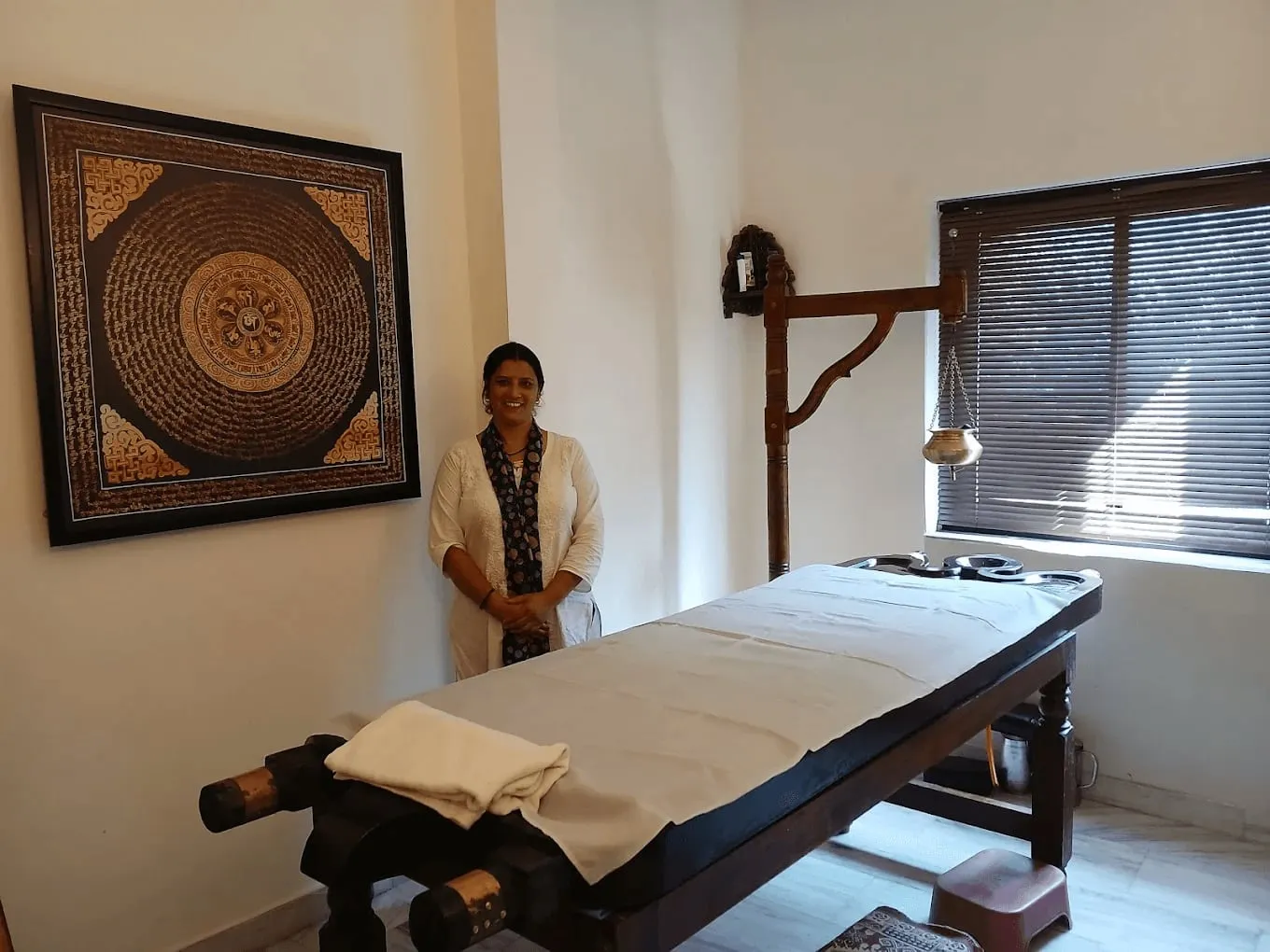
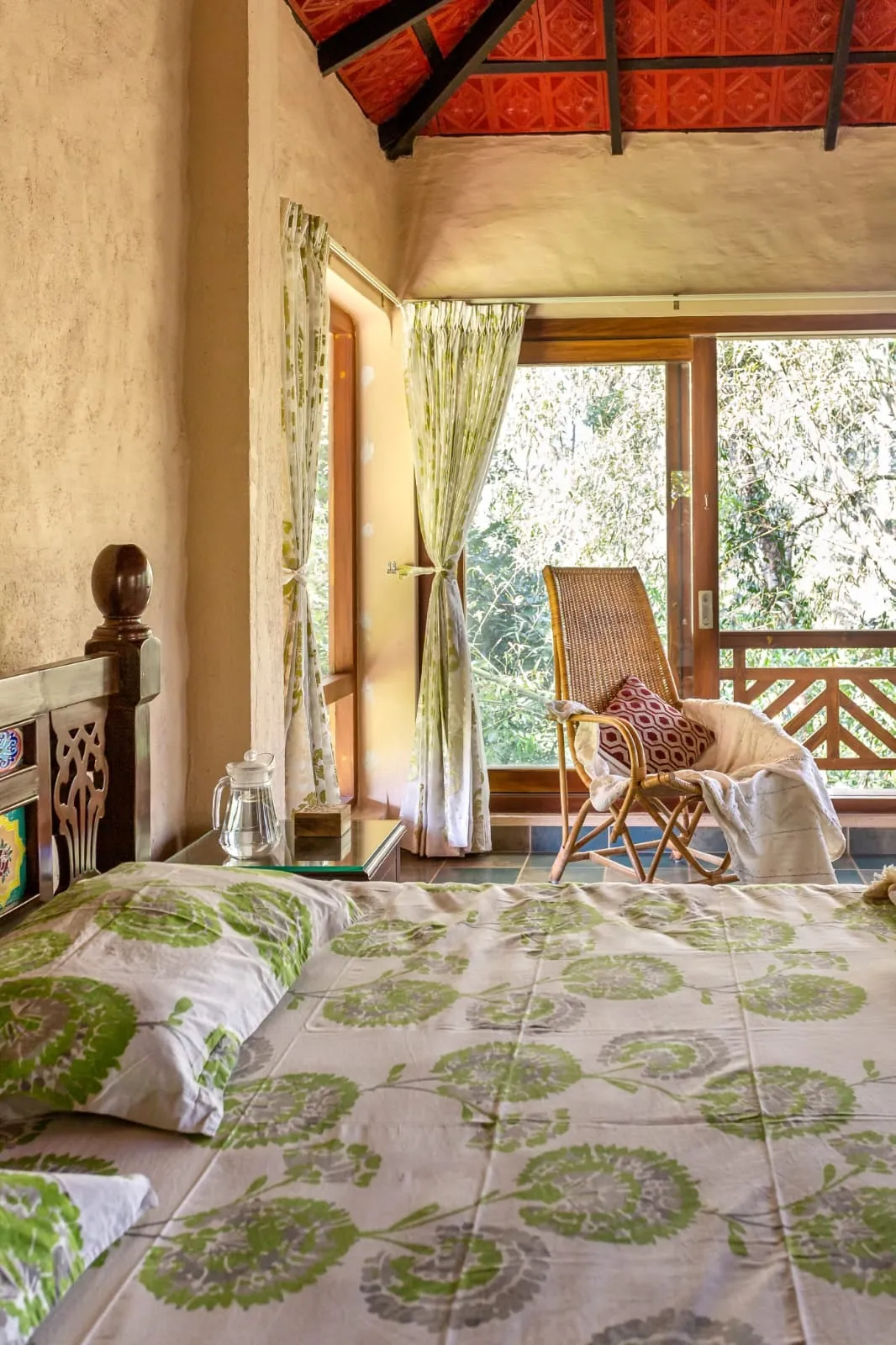
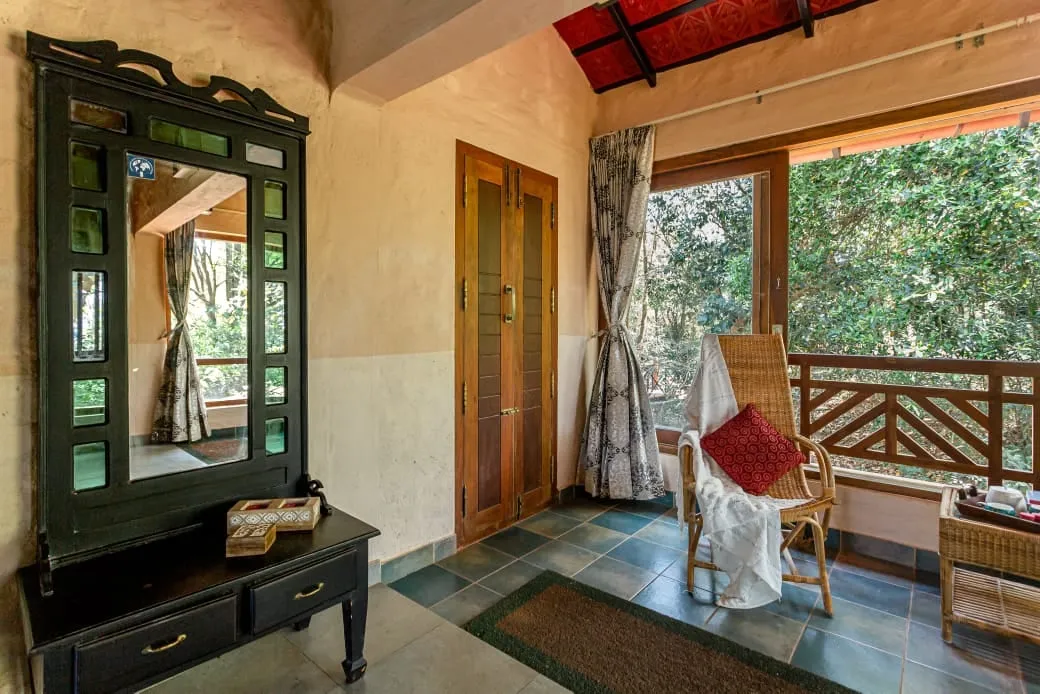
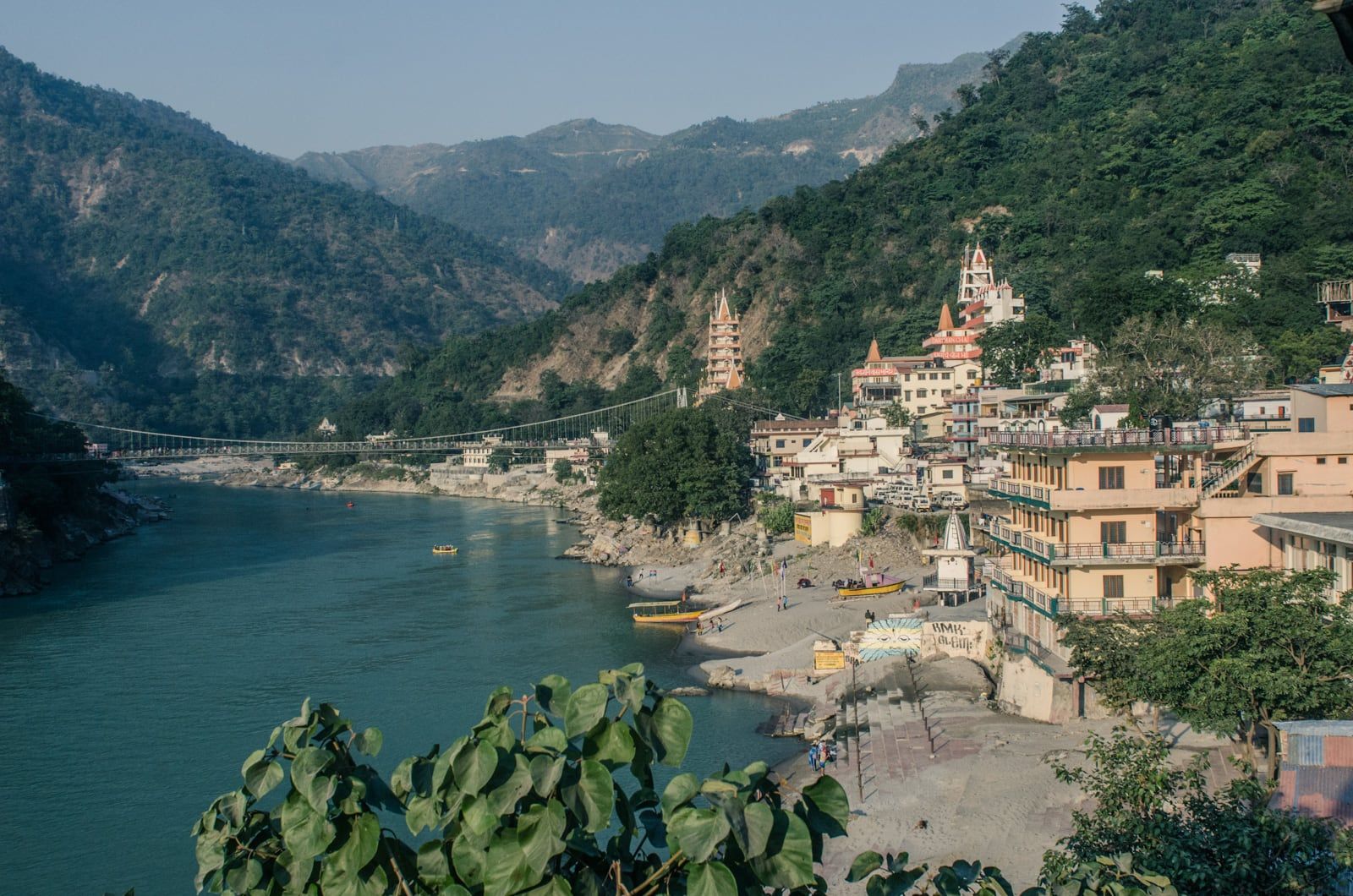
Panchakarma in Rishikesh takes place at the Shanti Makaan center, a quiet spot in the Himalayan foothills. First, the doctor examines you: assesses your condition, determines your dosha, that is, your Ayurvedic constitution, and draws up a plan for the whole program.
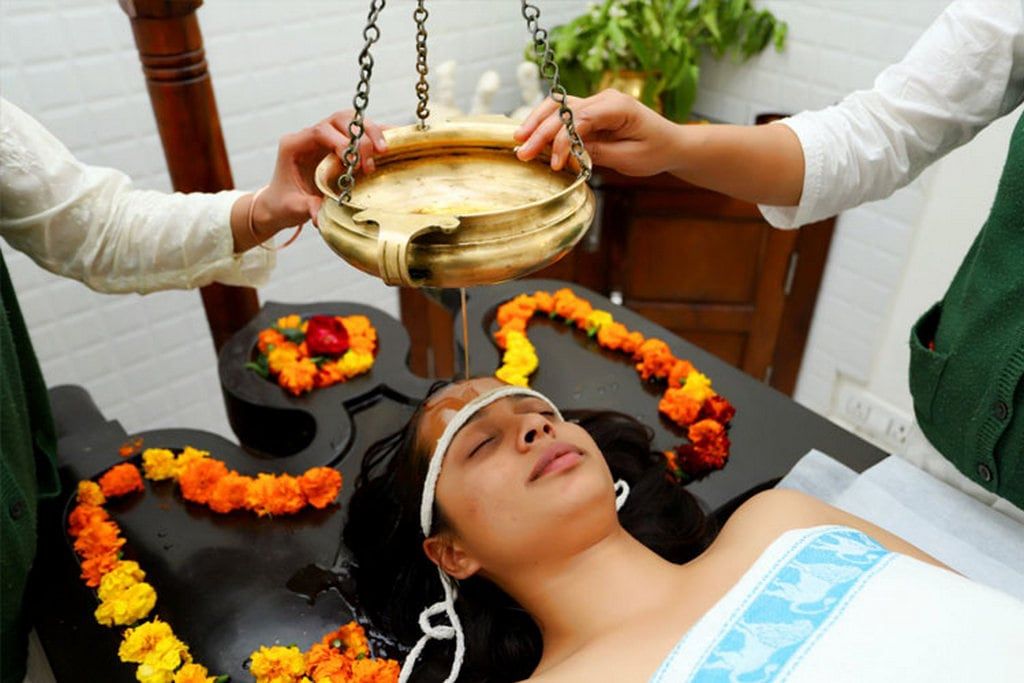
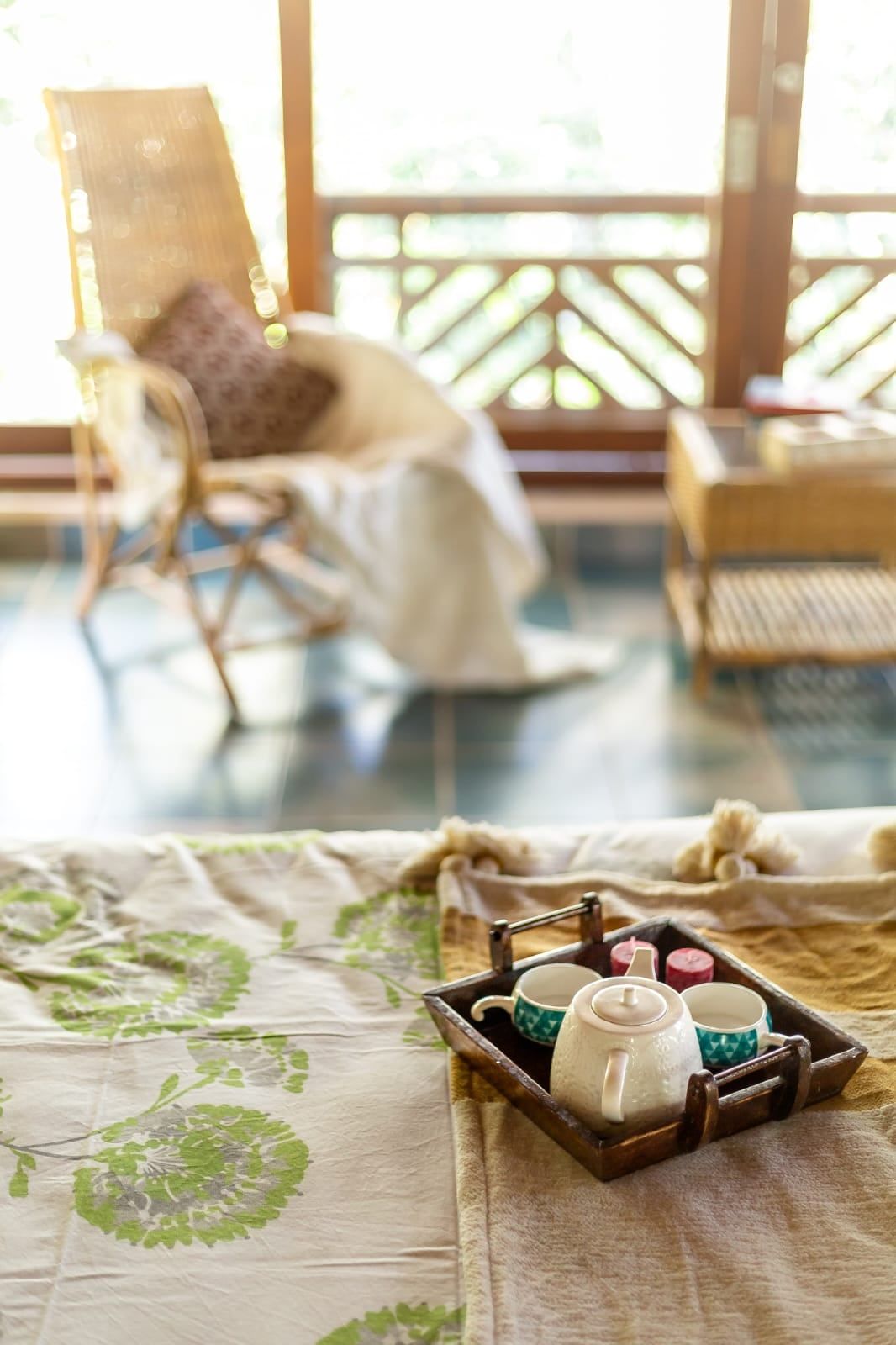
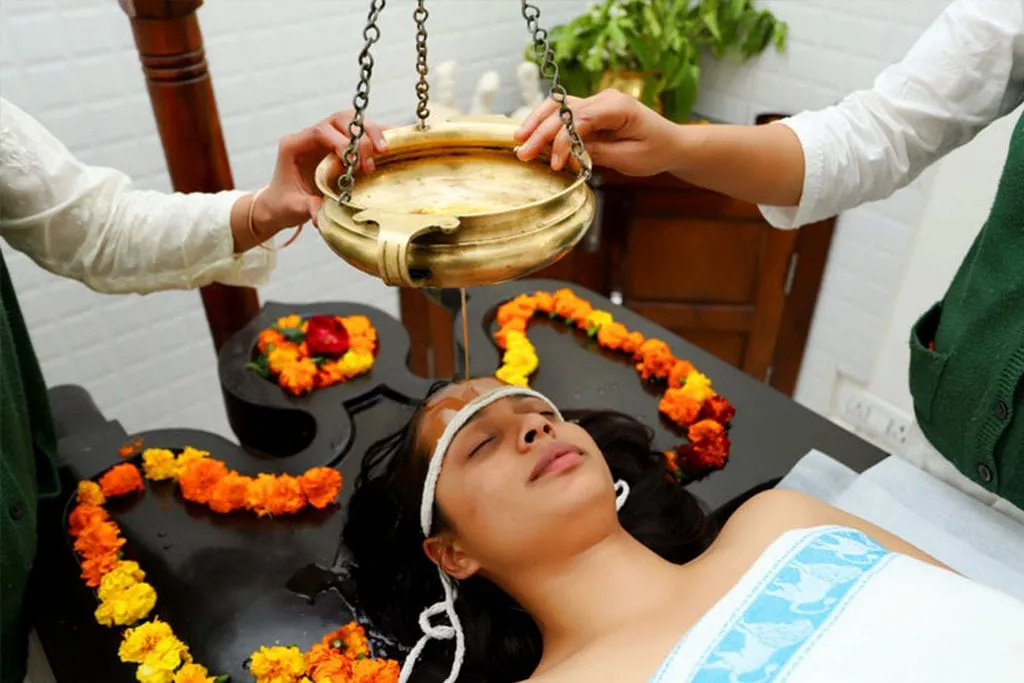
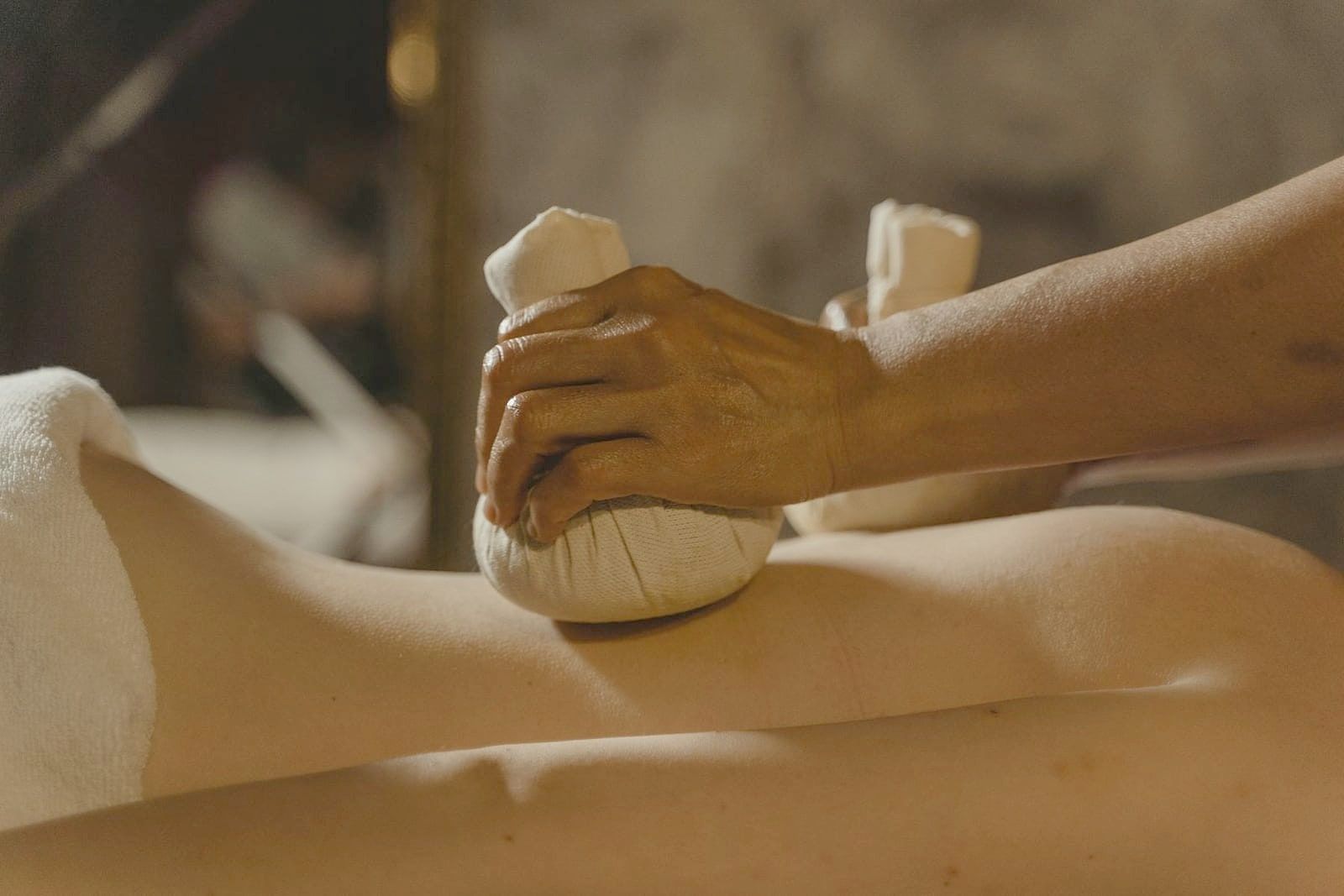
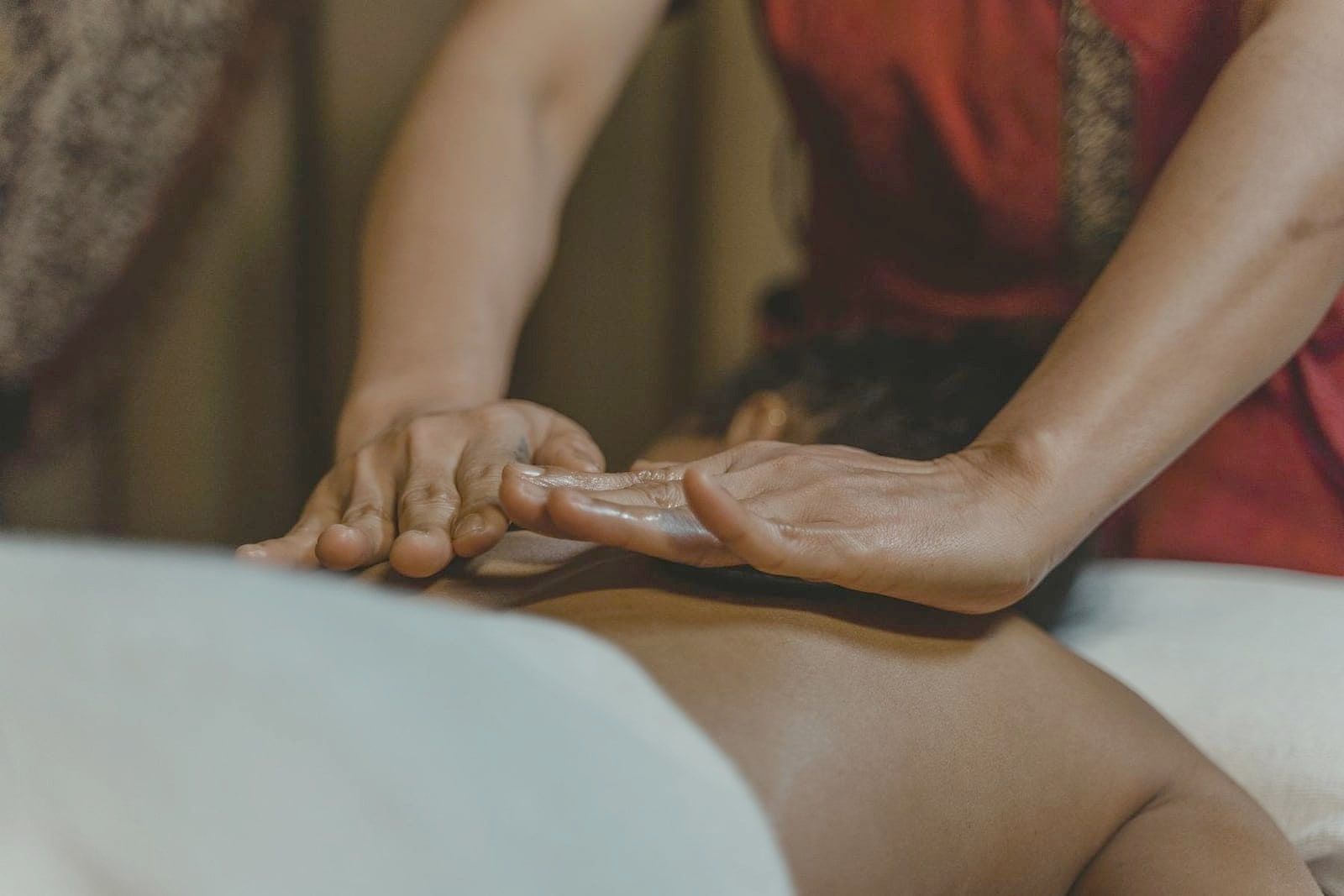
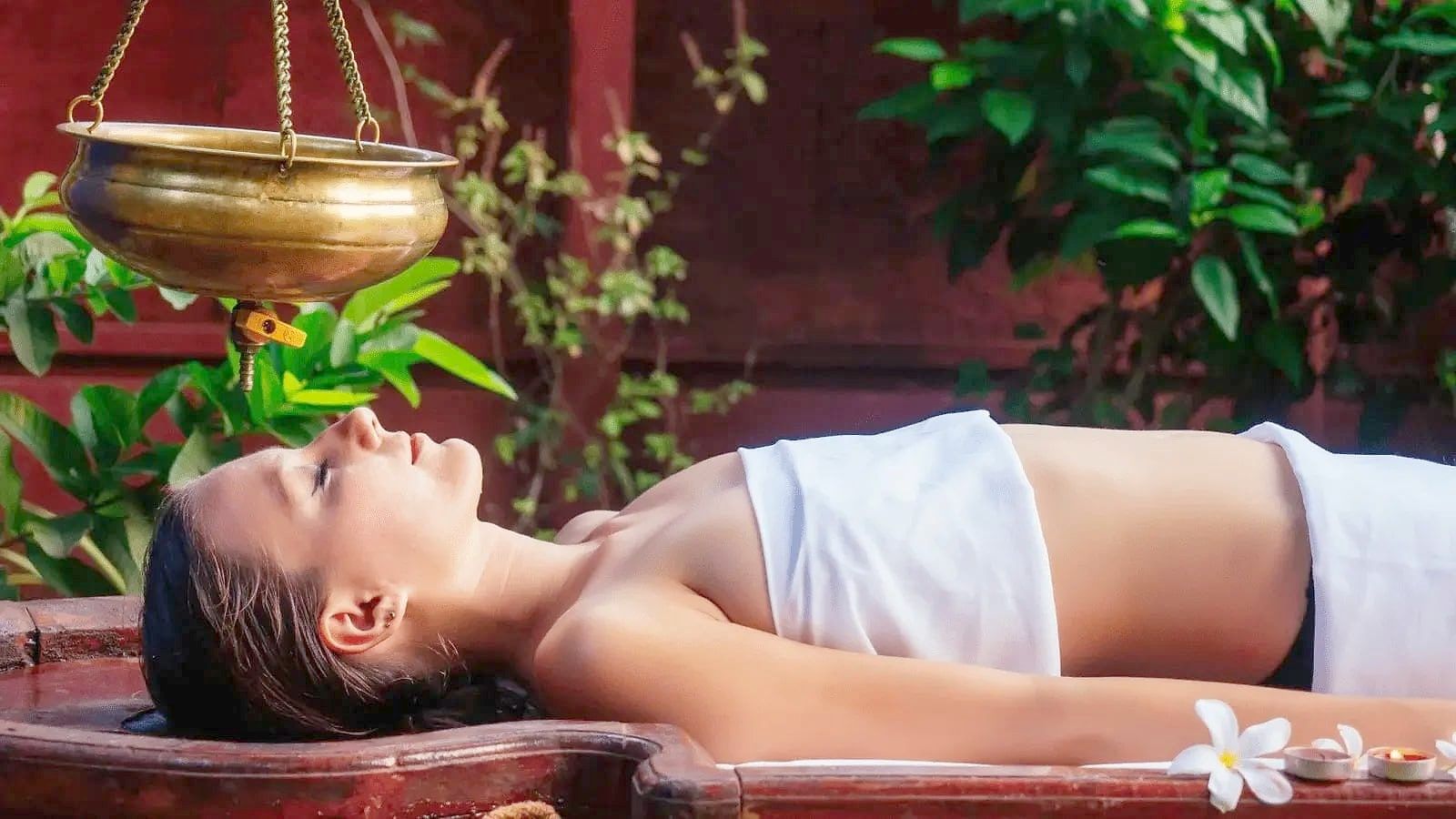
- Oil treatments. The core of the program is massage with oils chosen for your dosha, followed by a steam treatment. Shirodhara and other treatments are prescribed as indicated.
- Internal cleansing. Whether you need it, and in what form, the doctor decides at the consultation. It may involve classic panchakarma procedures such as a herbal laxative or oil enemas (basti). They are never done without a prescription.
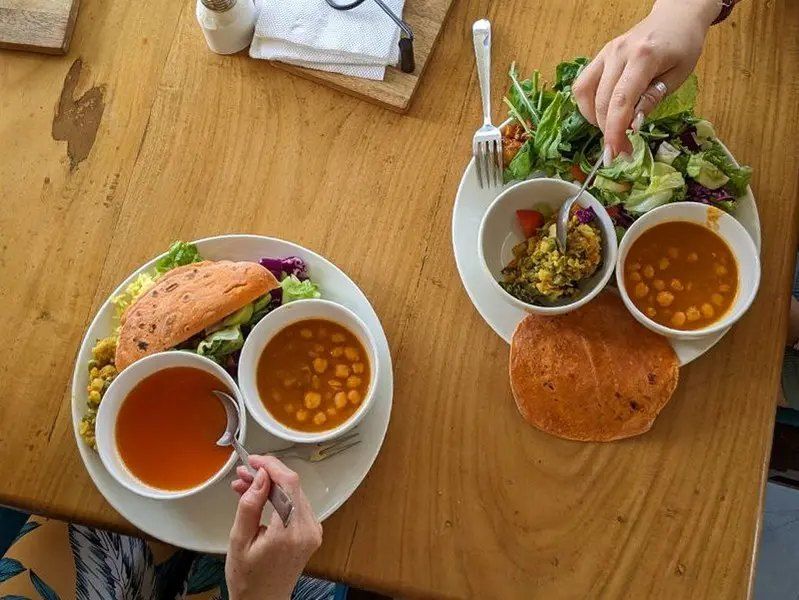
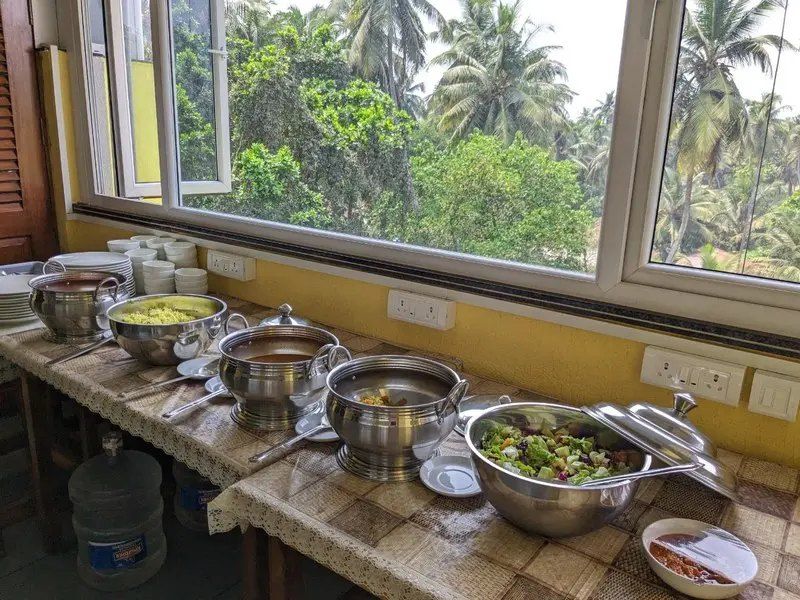
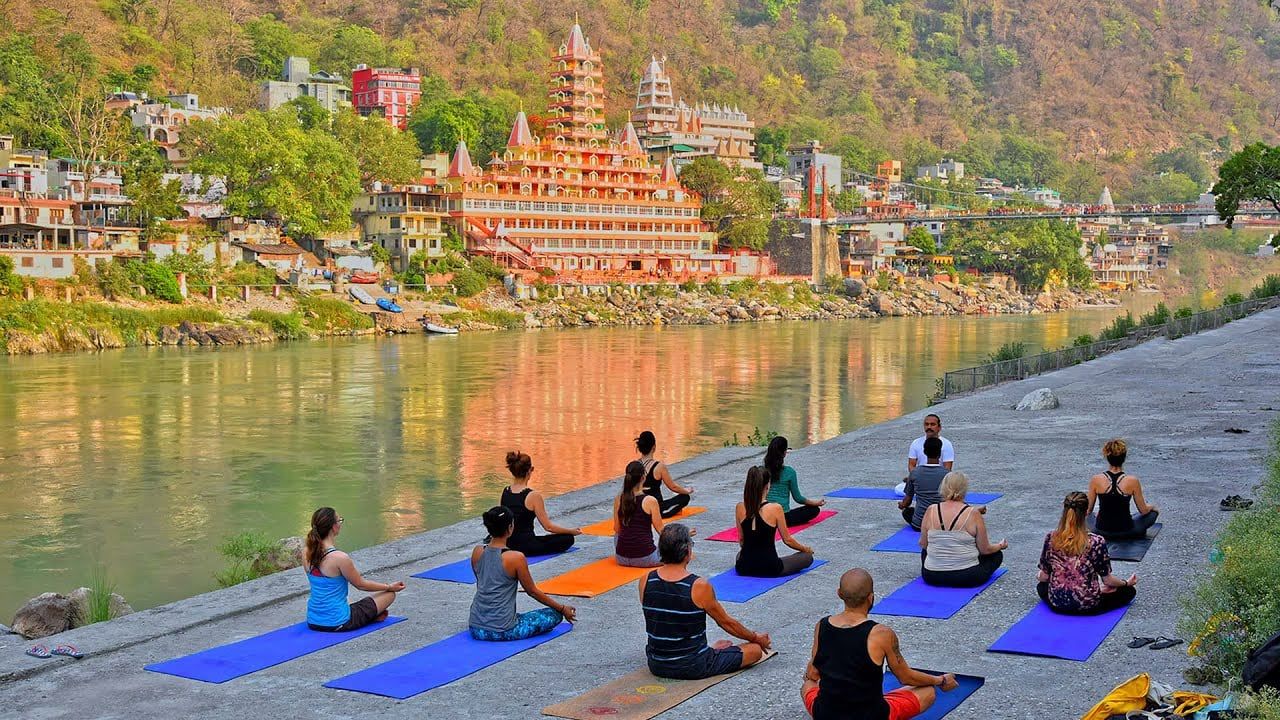
- Diet and routine. A personal Ayurvedic diet, daily yoga and meditation, plenty of rest.
The first days can be challenging as the body adjusts to a new routine and food. That’s why long excursions and tiring activities are best avoided during the program; morning walks in nature, yoga and meditation are better. How the stages of panchakarma work is explained in Panchakarma explained in simple terms. The school runs the same program in South India, by the ocean: Panchakarma in Varkala, Kerala.
How to prepare
For one to two weeks before you arrive, it helps to simplify your diet, cut out alcohol and reduce coffee: the first days will go more easily. Send us a list of your diagnoses and medicines in advance. What to bring, and why the weeks after the program matter even more than the treatments themselves, is covered in How to prepare for panchakarma and what comes after.
Some conditions make the program unsuitable or call for particular care. The full list is in Who panchakarma suits and who should avoid it. The decision always rests with the doctor. Curious what “detox” really means in panchakarma? Read Ayurvedic detox: what it really is.