
Knowledge base
Ayurveda: the School's Knowledge Base
We explain Ayurveda the way we explain it to our students: what it is, how it's done by hand, and who shouldn't have it. No promises of healing, and with sources.
Basics
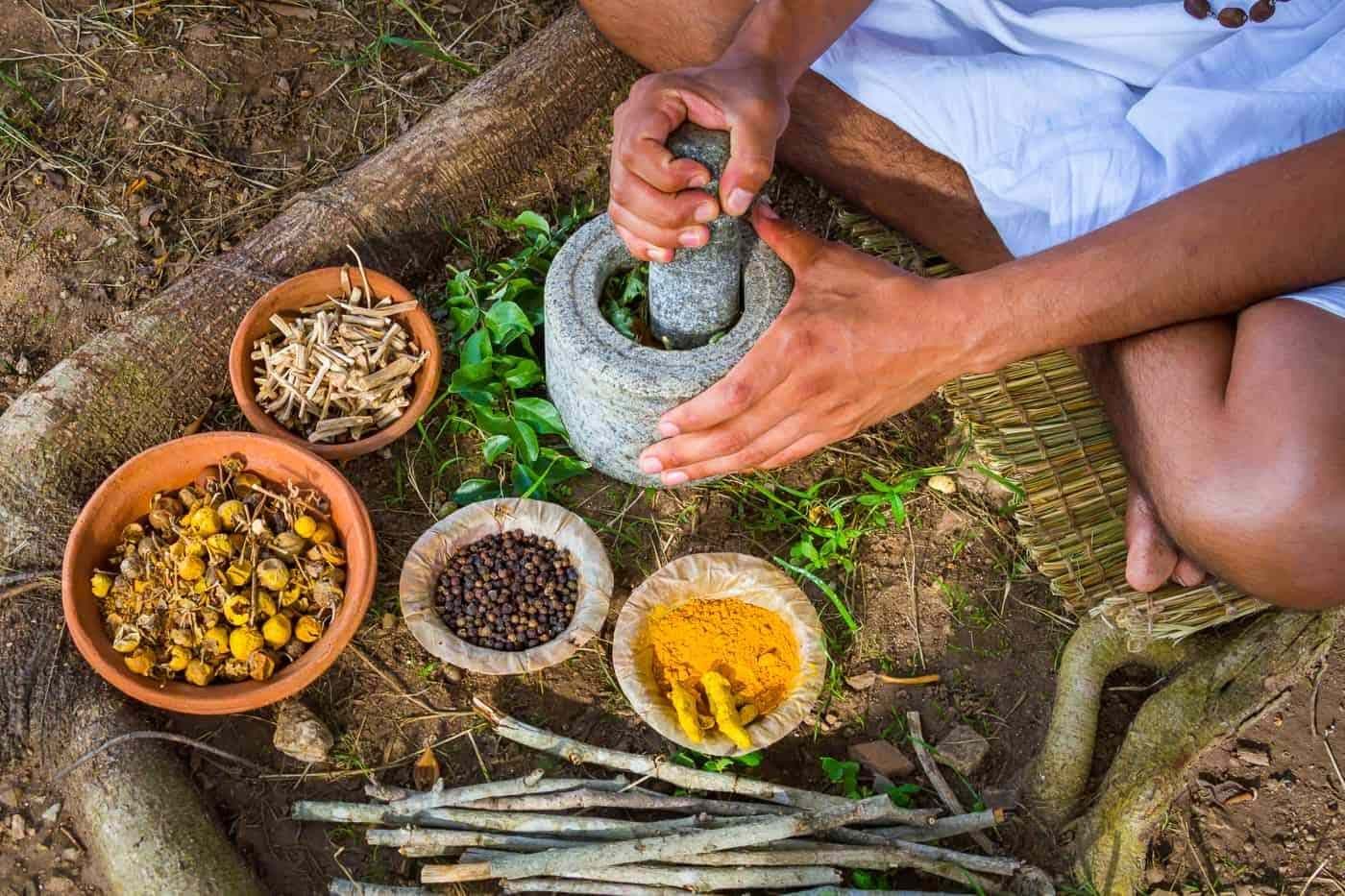
Ayurveda Books: What to Read and Where to Start
There are thousands of books on Ayurveda, but they all rest on a handful of classical texts. Here is what those texts are, which modern books to start with, where to read about panchakarma, and why no book replaces a doctor.
Read more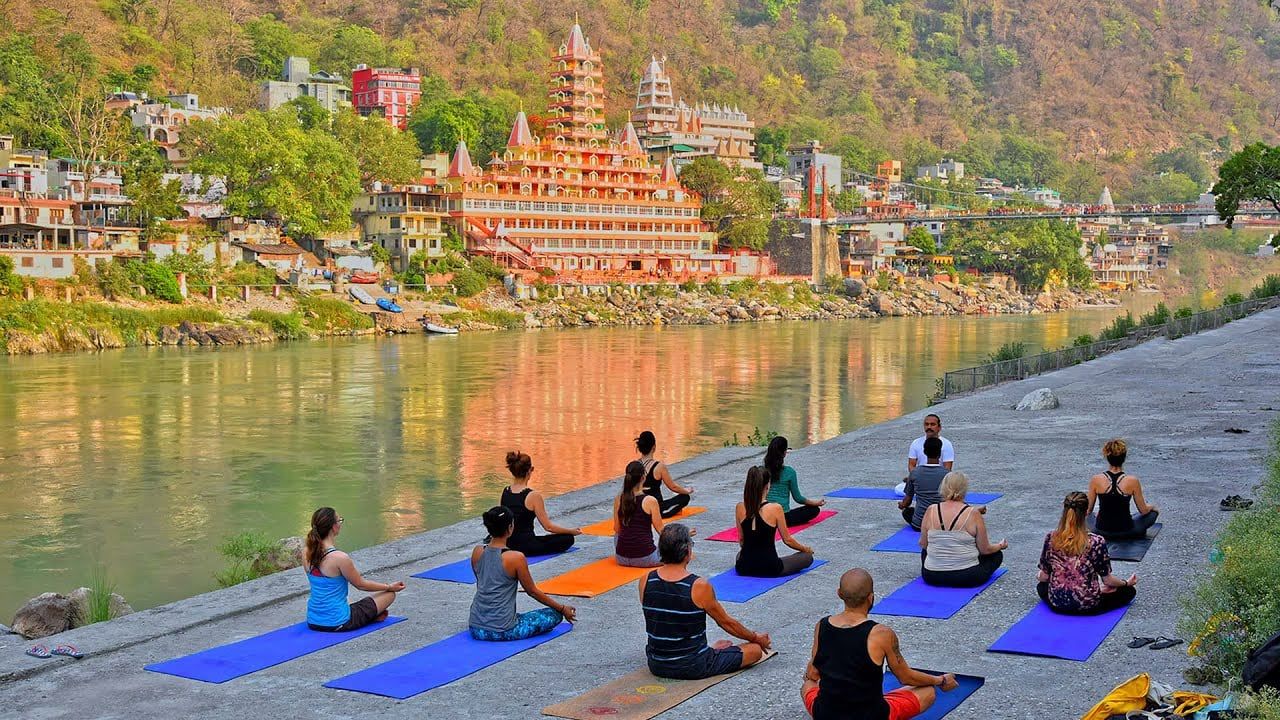
Ayurveda and Yoga: What They Share and How They Differ
Ayurveda and yoga are often called sister sciences, and with good reason: a shared worldview, a shared language, even a shared ministry in modern India. But their subject matter is different, and their tools should not be confused. Here is what they really have in common, how their goals differ and why the shatkarma of hatha yoga is not panchakarma.
Read more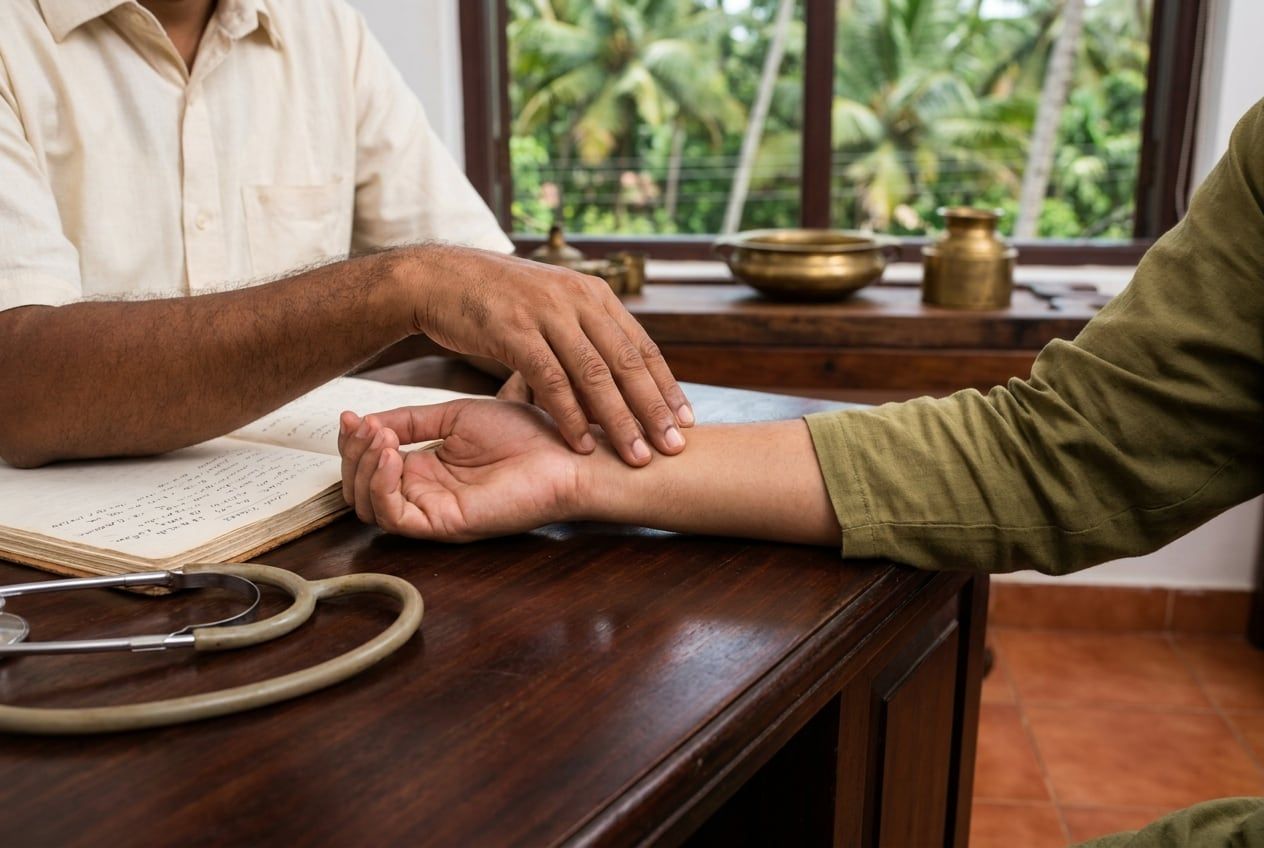
The Ayurvedic Doctor: Who They Are and What They Do
The word 'doctor' appears on almost every page about Ayurveda: a doctor prescribes treatments, a doctor runs panchakarma, a doctor determines your constitution. Here is who that really is — what and how long they study in India, what happens in a consultation, what they may prescribe, and how to tell a doctor from the therapist who performs the treatment.
Read more
Ritucharya: The Ayurvedic Seasonal Routine
Ritucharya is the second half of ayurvedic prevention: if dinacharya is about the day, ritucharya is about the year. The classical texts divide it into six seasons and adjust food, sleep and exertion for each. The logic of this scheme, and what carries over to a climate with four seasons instead of six.
Read more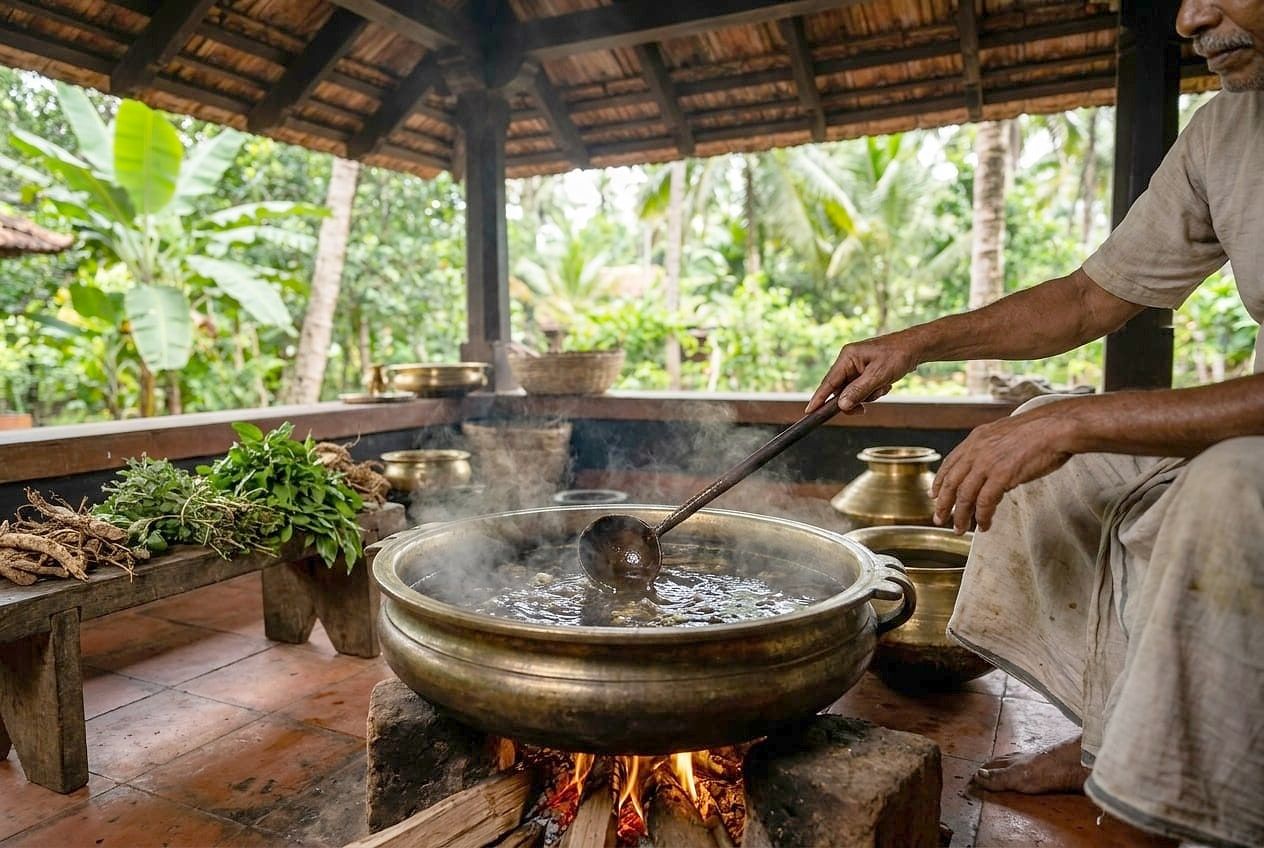
Ayurveda in India: Regional Traditions and Schools
There is one Ayurveda in India, but it speaks with different accents. We explain how the Kerala tradition differs from the northern schools, where else Ayurveda is strong, how Tamil Nadu's Siddha medicine differs from it, and why Kerala treatments are now offered all over the country.
Read more Siddha Medicine: Tamil Nadu's Own System, Not Ayurveda
Siddha is often called 'southern ayurveda', but it is a separate medicine with its own texts in Tamil, its own teachers and its own diagnostics. Where it comes from, what it rests on, how it treats, where to find it in Tamil Nadu and how it differs from ayurveda.
Read more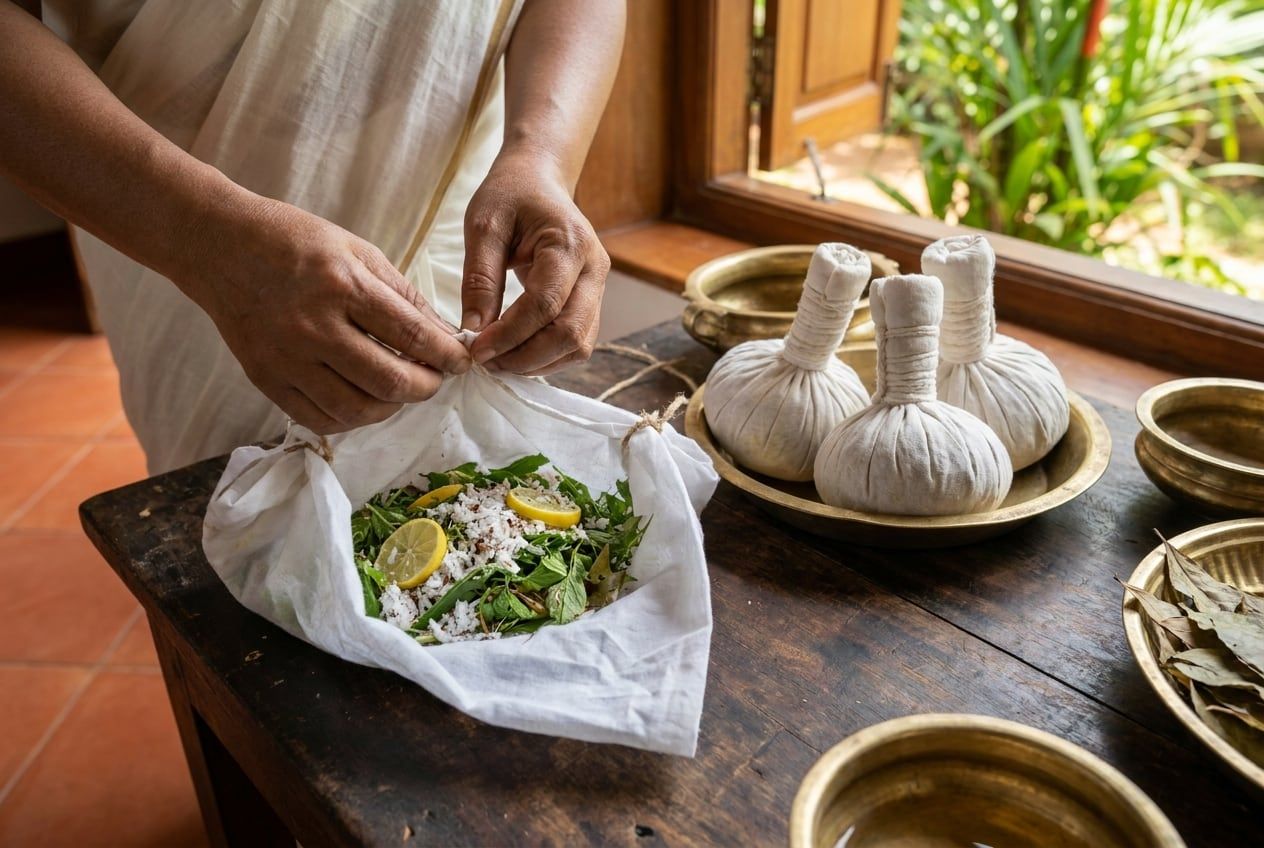
Kapha Dosha: Signs, Diet and Routine
Kapha is the dosha of structure: Ayurveda assigns to it everything in the body that holds form, lubricates and retains moisture. It is heavy, cold, moist and stable, and goes out of balance with rich food, damp and inactivity. We cover the signs of a kapha constitution, the signs of its aggravation and what balances it: tastes, routine and movement.
Read more Pitta Dosha: Signs, Diet and Daily Routine
Pitta is the dosha of transformation: everything in the body that digests, heats and processes belongs to it in ayurveda. It is hot, sharp and mobile, and it is thrown off balance by heat, rush and skipped lunches. The signs of a pitta constitution, the signs of aggravated pitta, and what brings it back into balance: tastes, routine and coolness.
Read more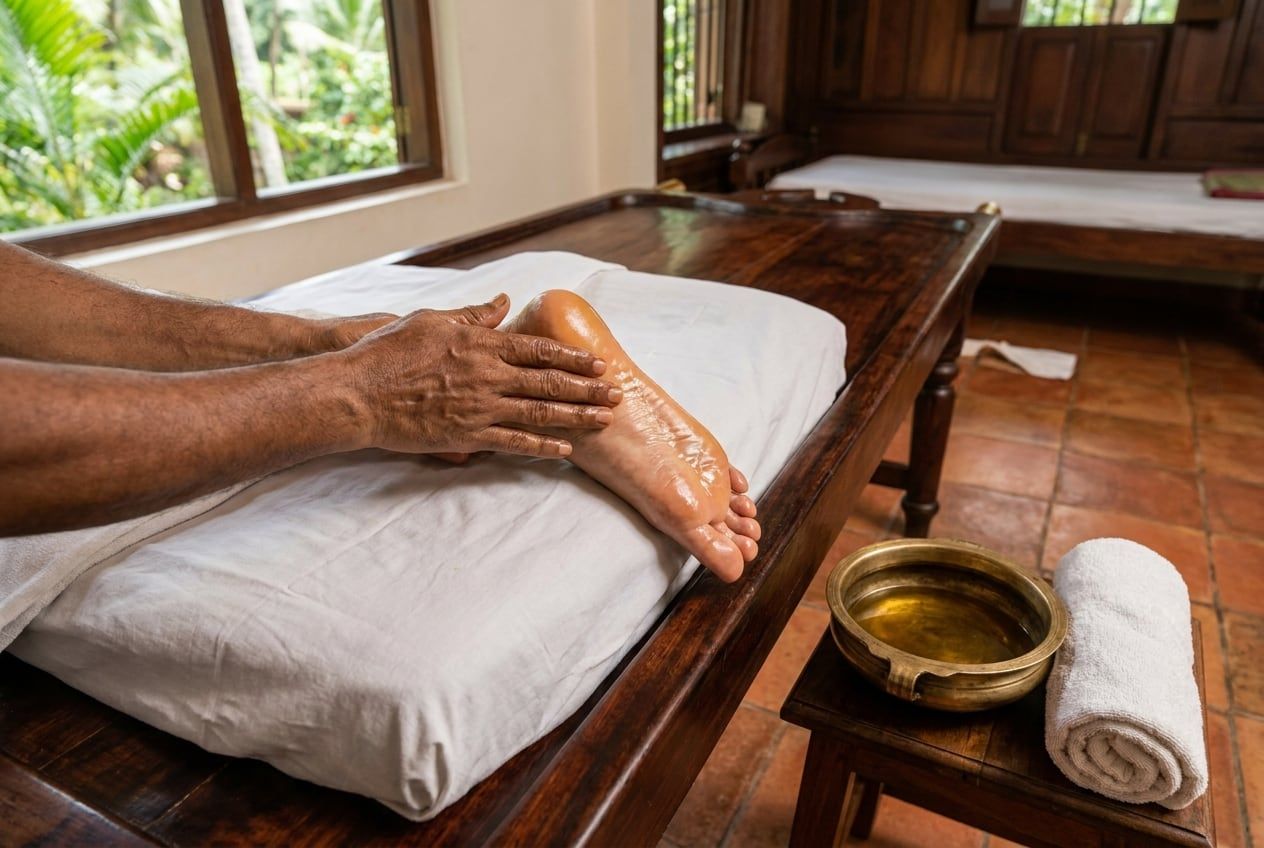
Vata Dosha: Signs, Diet and Daily Routine
Vata is the dosha of movement: everything in the body that moves belongs to it in ayurveda. It is light, dry, cold and mobile, and it is the first to go out of balance — through rush, lack of sleep and travel. The signs of a vata constitution, the signs of aggravated vata, and what brings it back into balance: tastes, routine and warm oil.
Read more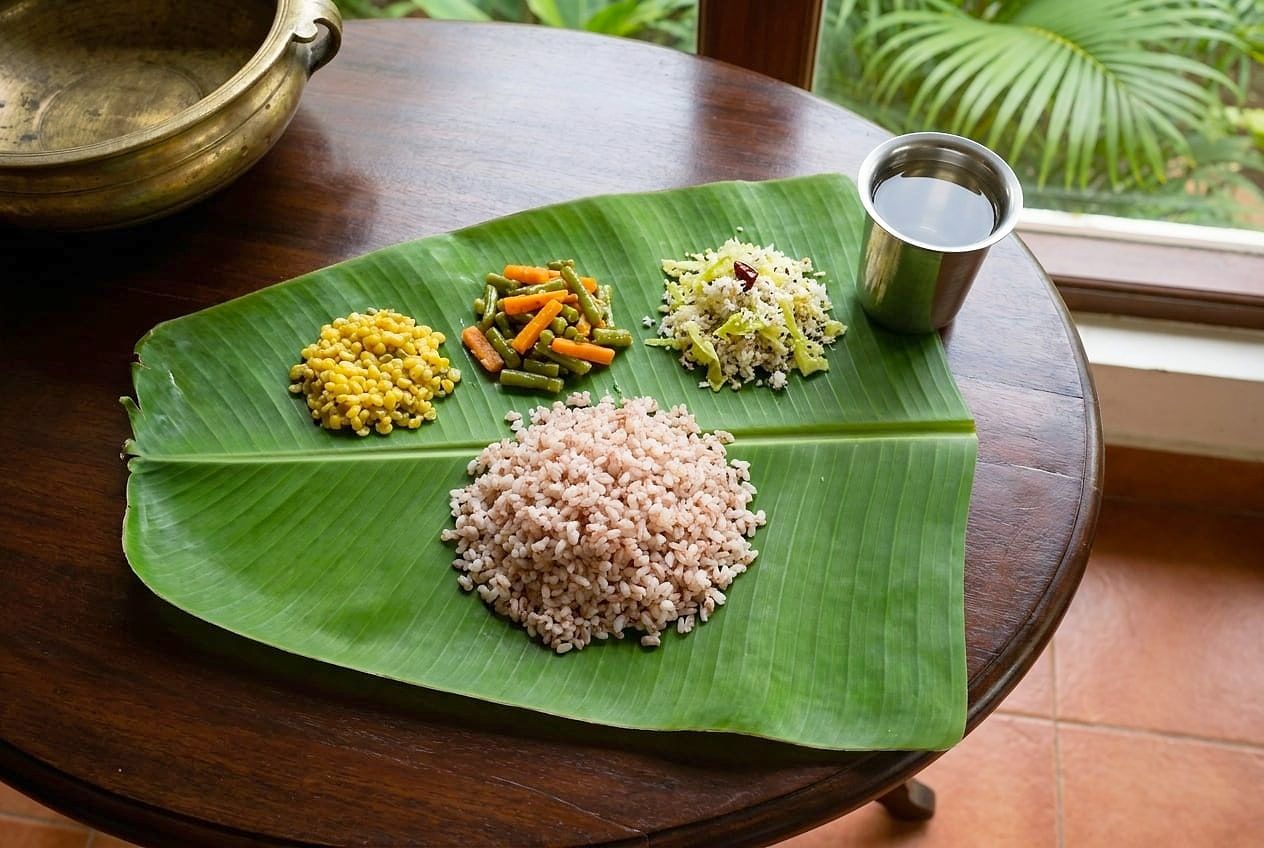
The Ayurvedic Diet: Principles and Eating for Your Dosha
Ayurveda hardly divides food into healthy and unhealthy. It asks what the food is, how it was cooked, what it was eaten with, how much, when and by whom. We go through the rules of eating in the classical texts and the principles for vata, pitta and kapha — as a guide, not a diet against disease.
Read more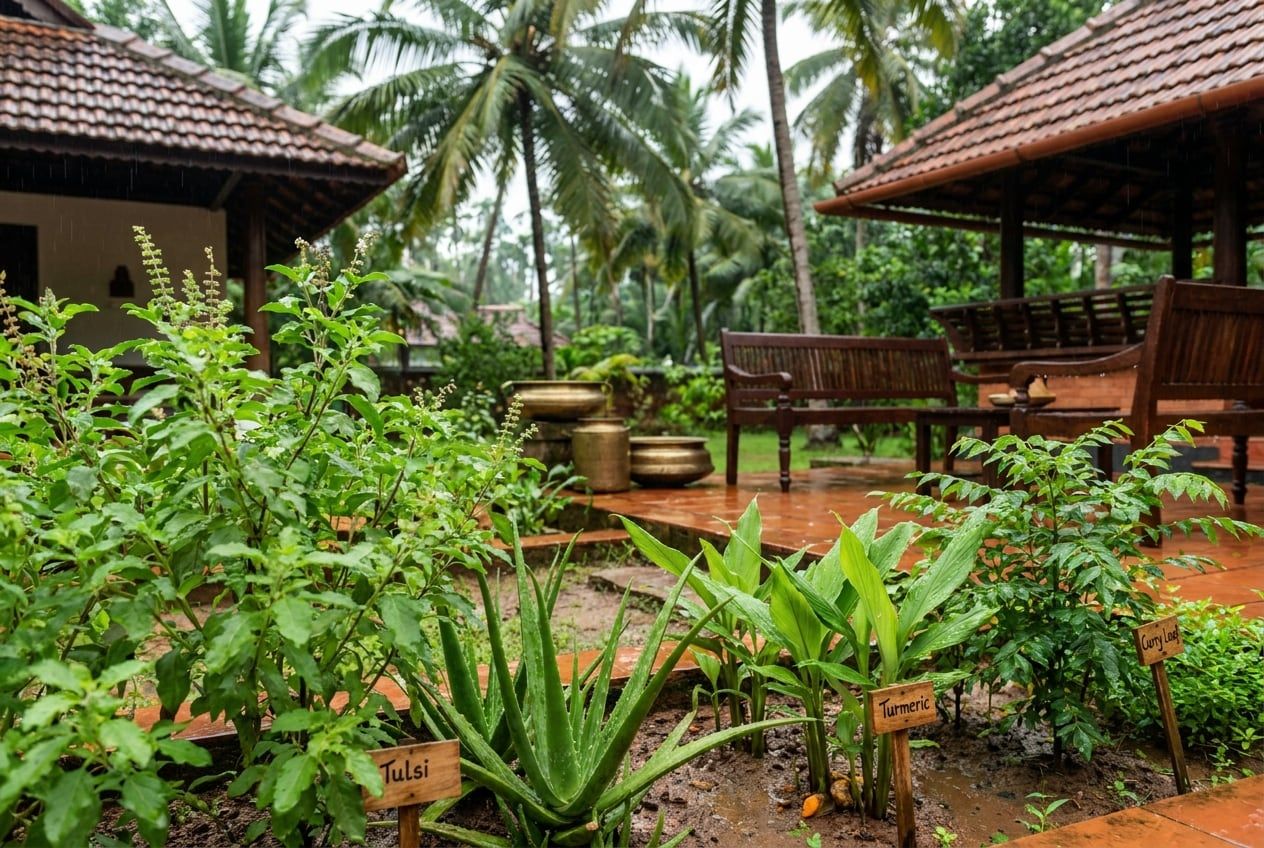
What Is Ayurveda? A Plain-English Introduction
Ayurveda is India's traditional medicine, more than two thousand years old. In plain terms: the ideas it rests on, what it is made of and how it is recognized in India.
Read more Agni and Ama: the Digestive Fire and What Stays Undigested
Agni is the body's capacity to digest and assimilate; ama is what remains when that capacity fails. Almost every Ayurvedic prescription rests on these two ideas. We explain them from the classical texts, without the myths about toxins.
Read more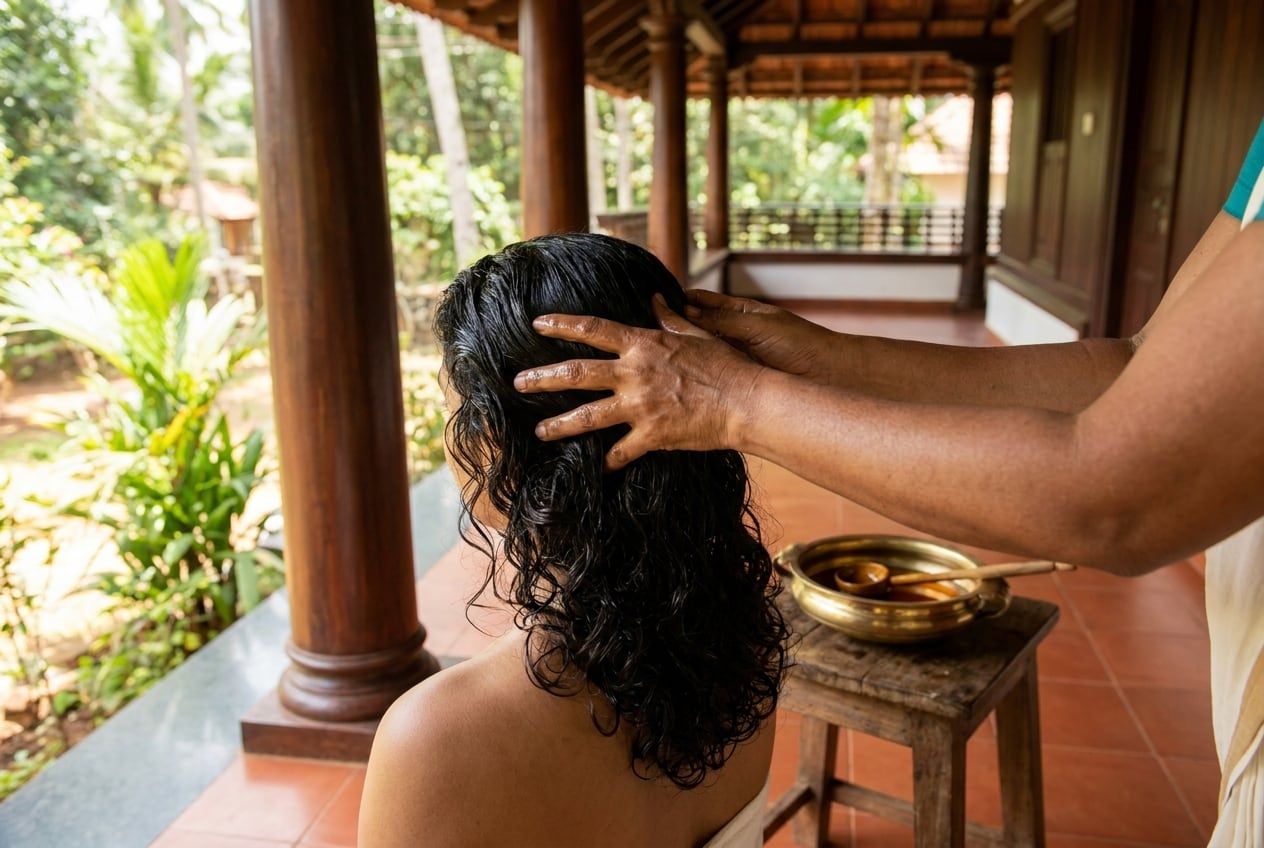
Dinacharya: the Ayurvedic Daily Routine
Dinacharya is the daily routine that Ayurveda regards as the foundation of prevention. Behind the list of morning practices lies a simple logic: each time of day has its own qualities, and things are best done when the day supports them. Here is what the texts say and what still applies today.
Read more The Three Doshas: Vata, Pitta, Kapha
The doshas are the three principles Ayurveda uses to describe how the body works: movement, transformation and structure. We explain how they work according to the classical texts, what is meant by imbalance, and why a magazine quiz does not replace a doctor's examination.
Read more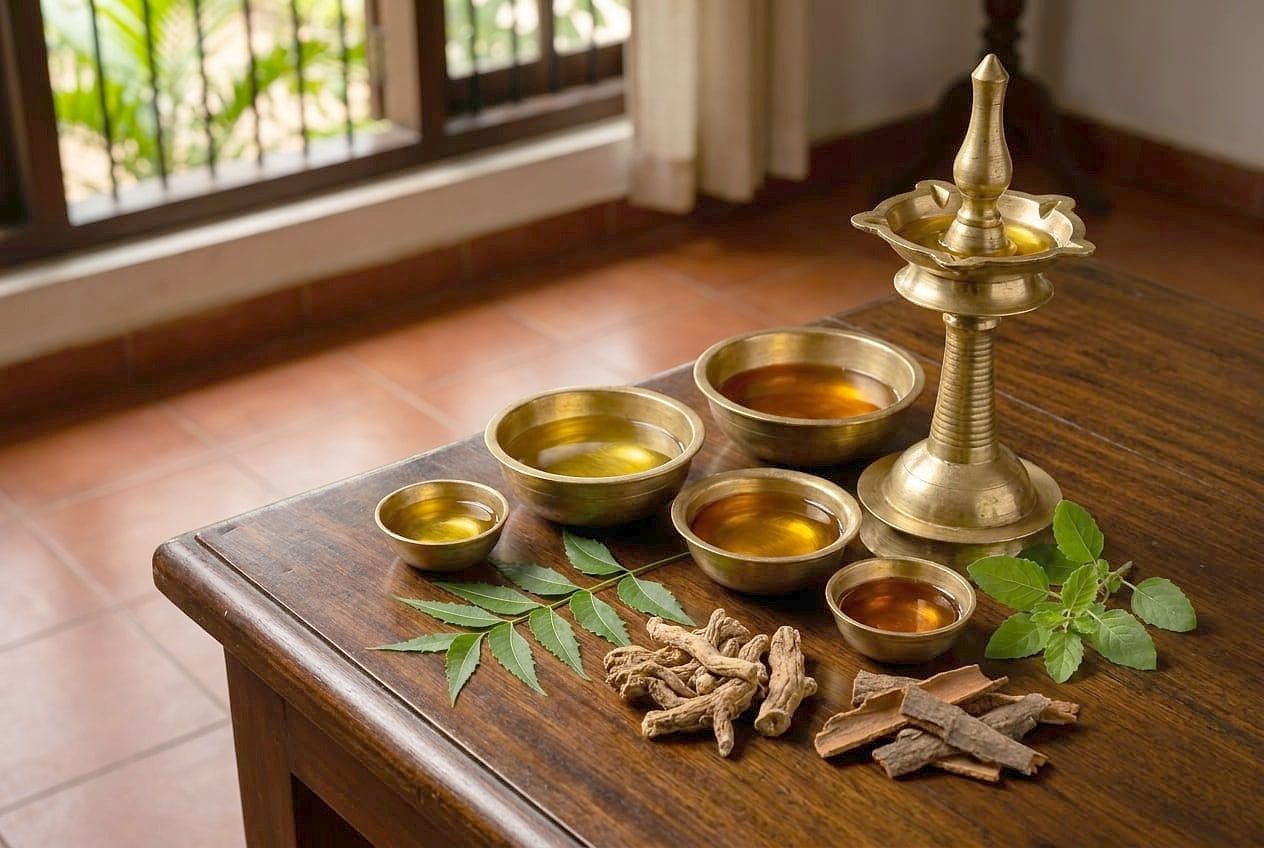
Ayurvedic Body Type: Prakriti and Vikriti
Prakriti is the balance of doshas a person is born with. Vikriti is how far they have drifted from it right now. An ayurvedic doctor looks at both but works with the second. Why that is, and what it changes in a prescription.
Read moreTreatments
Ayurvedic Treatments: Types and How They Differ
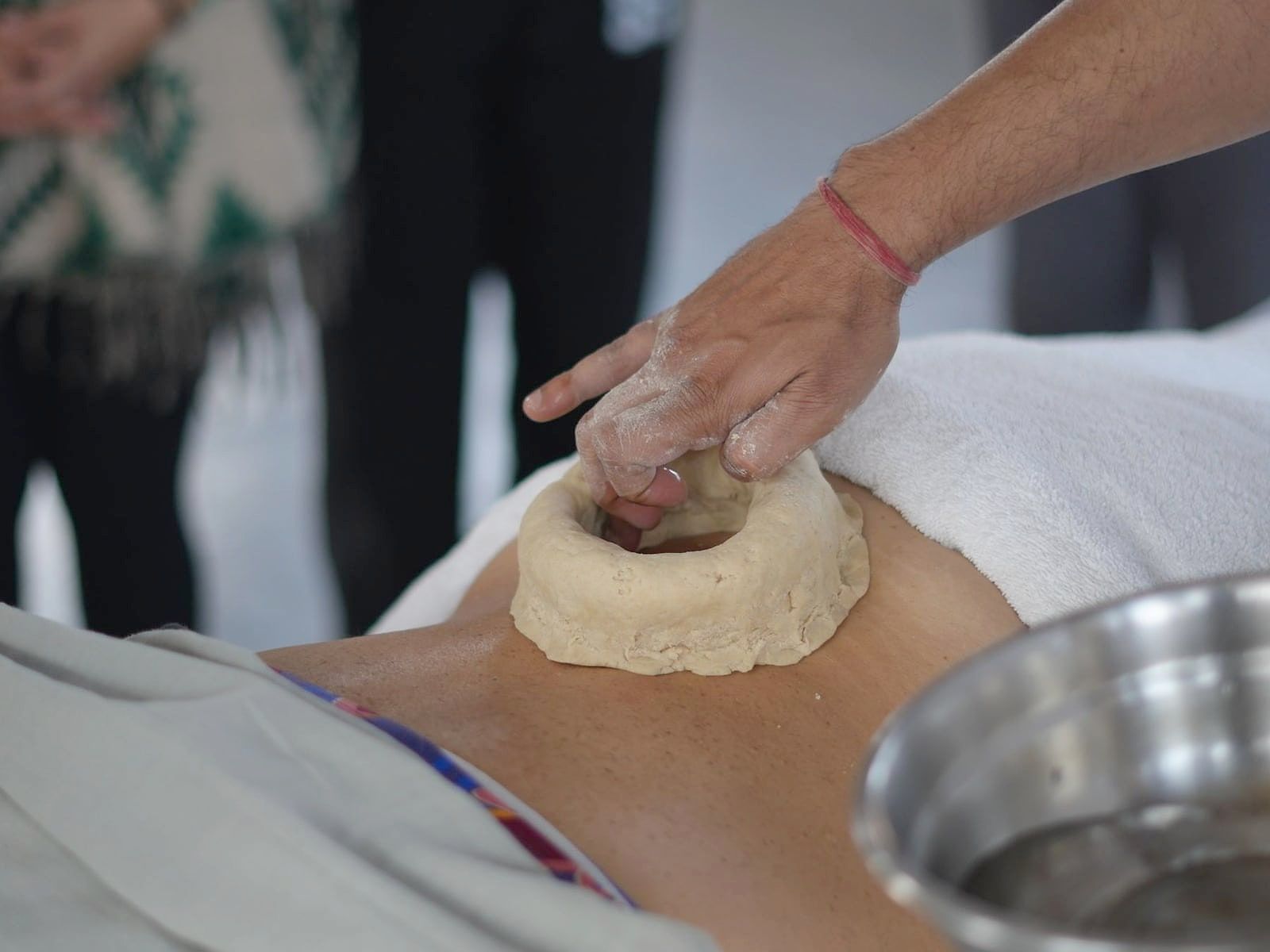
There are dozens of Ayurvedic treatments, each with its own purpose: some nourish the body with oil, some warm it, some focus on one area, some cleanse. We explain how the classical texts and Kerala practice group them, how the groups differ and which treatments are done only on a doctor's prescription.
Read more Ayurvedic Treatments in the Spa: What to Put on the Menu
Abhyanga, head and foot massage, shirodhara, kizhi and udvartana translate well to the spa when the therapist is trained and respects the contraindications. The cleansing procedures of panchakarma do not. Here is what you can put on the menu, what a genuine treatment needs, and how to describe it without medical claims.
Read more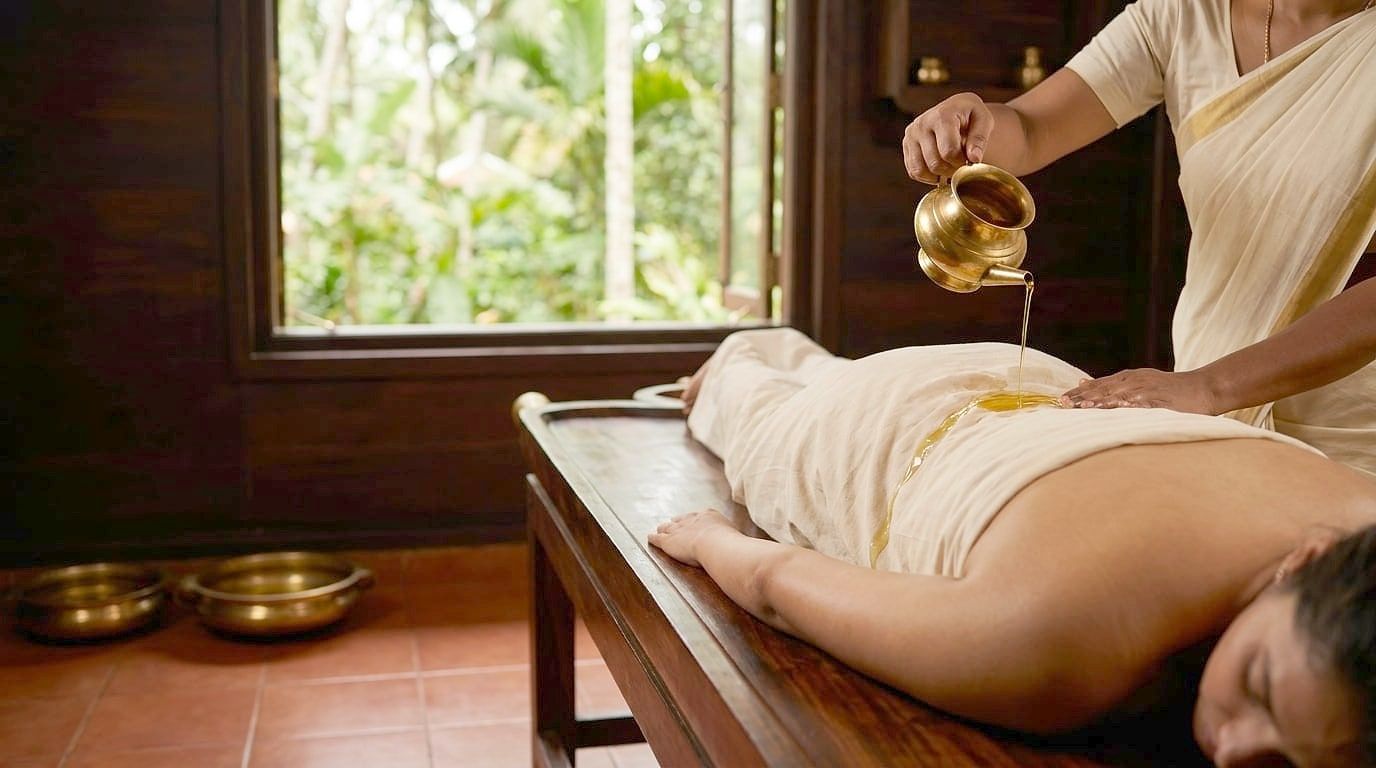
Ayurvedic Massage: What It Is, Types and How It Differs
Ayurvedic massage is work with warm oil chosen for a person's condition. It is calmer than classic massage, follows its own rules and is not given in a whole range of conditions. We cover the types, how a session goes and how to tell a genuine treatment from an oil massage with a pretty name.
Read more Oils for Ayurvedic Massage: Which to Use and How to Choose
The main oil of ayurvedic massage is sesame. Coconut, mustard oil and ghee are chosen according to the person's state, and medicated oils cooked with herbs are prescribed by a doctor. How these oils are chosen, why they are warmed, how to store them and how to test an oil on your own skin.
Read more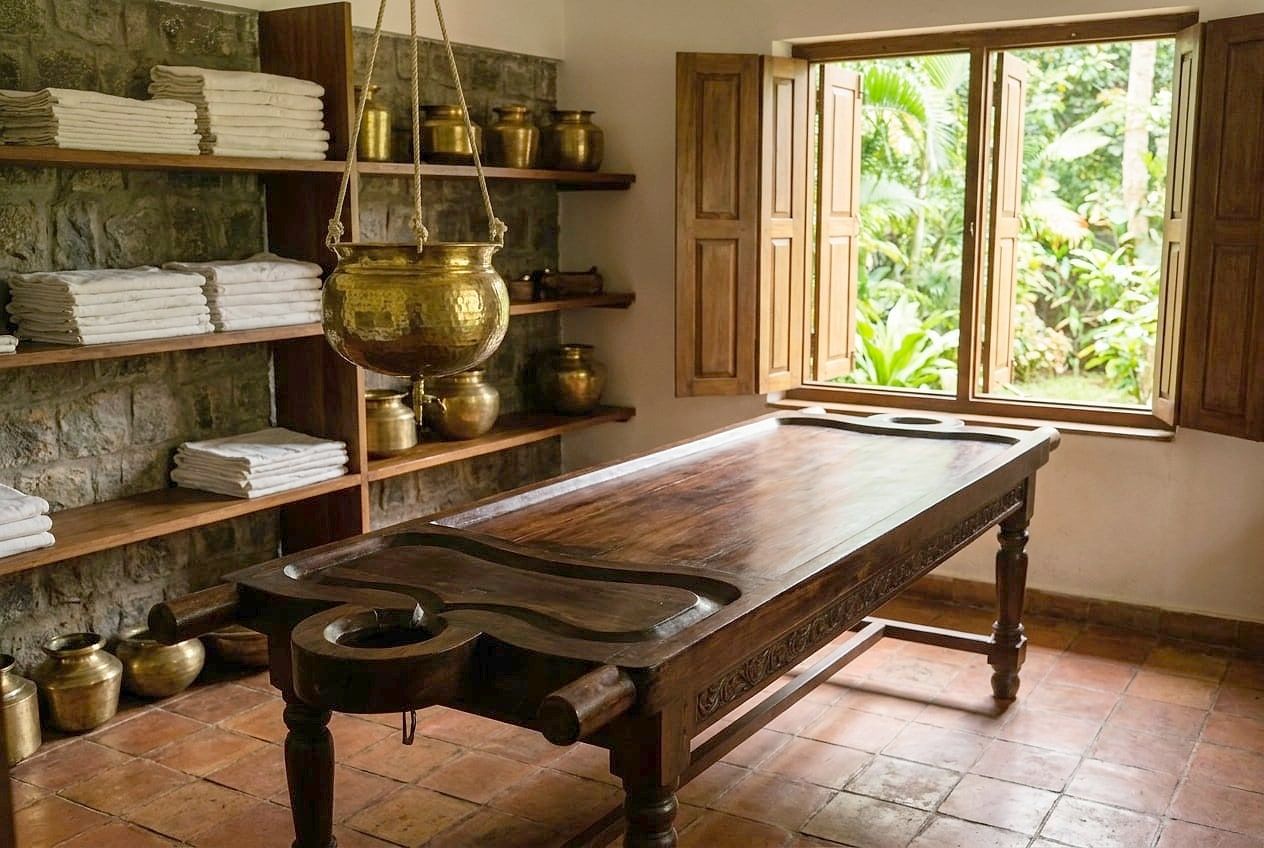
Ayurveda vs Spa: What a Spa Is and How They Differ
A spa is a place and a set of treatments for relaxation and self-care. Ayurveda is India's traditional medicine, where treatments are prescribed according to a person's condition. They often appear on the same menu, but they work differently. What the difference is, and which to choose when.
Read more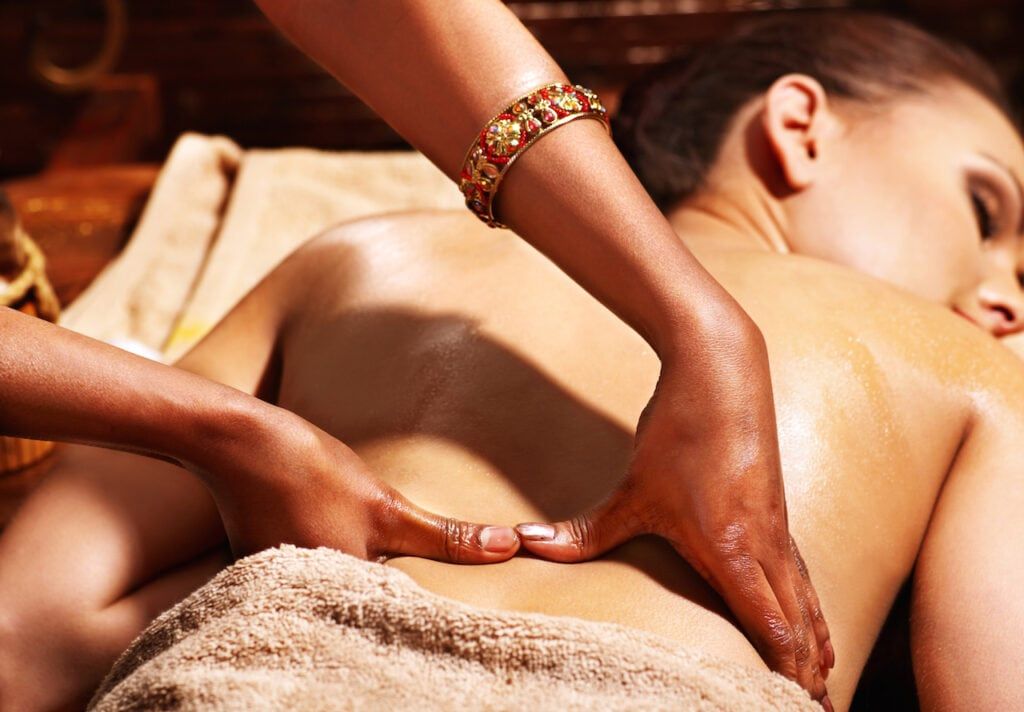
Abhyanga: the Ayurvedic Warm Oil Massage
Abhyanga is a full-body massage with warm oil that follows a strict sequence: seven positions, strokes in the direction of hair growth, and an oil chosen by the doctor. Here is how the treatment works, who should avoid it, and how it differs from an oil massage at a spa.
Read more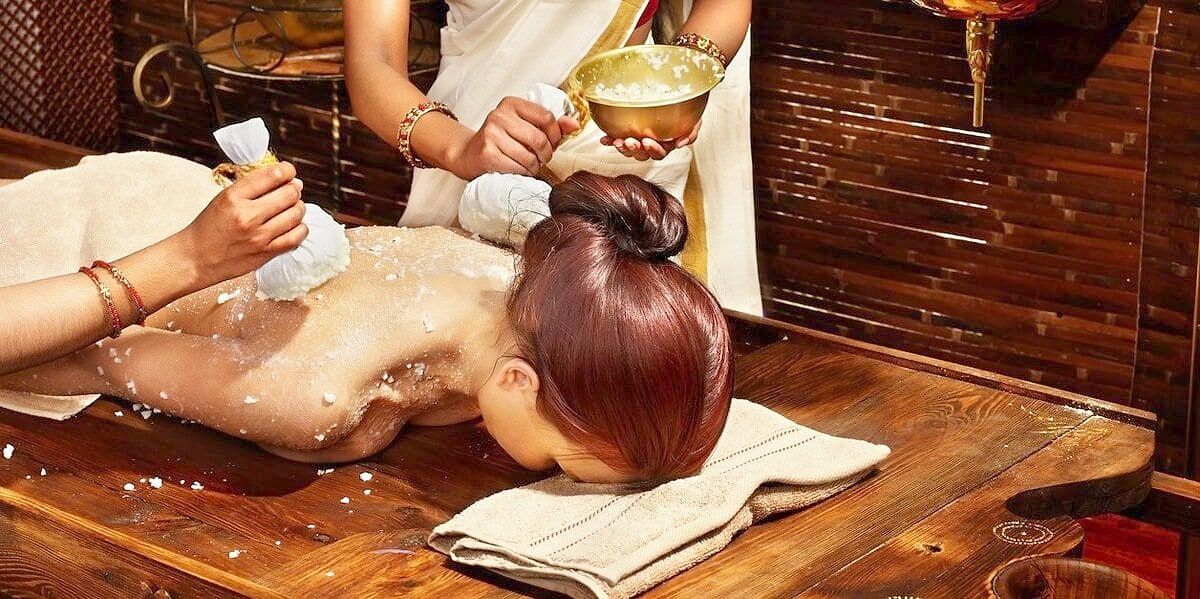
Kizhi: Heat Therapy with Herbal Poultices
Kizhi is a Kerala treatment in which the body is tapped and rubbed with hot cloth bundles of leaves, herbal powders or medicated rice. We cover the three main types, how the treatment goes and its contraindications.
Read more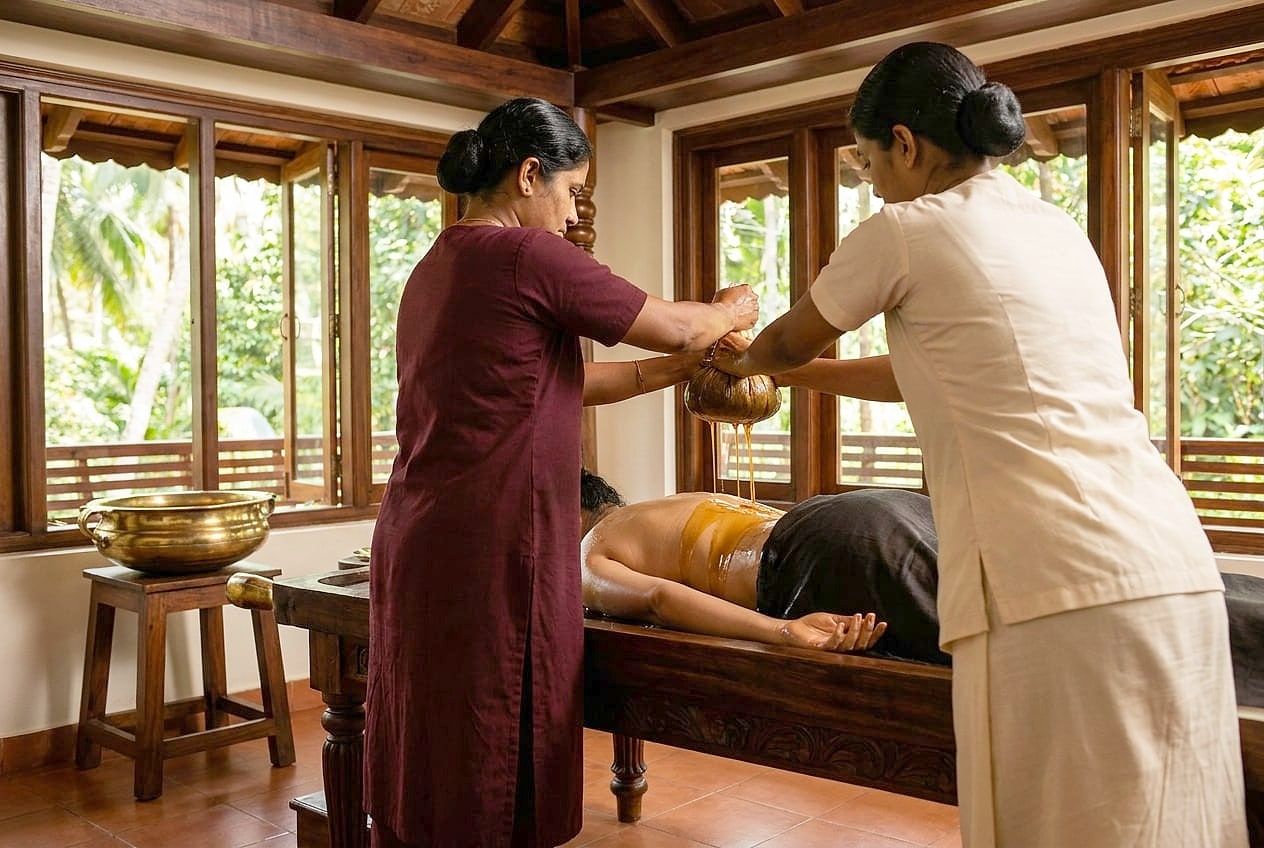
Pizhichil: Kerala's Warm Oil Bath Treatment
Pizhichil is a Kerala treatment in which several therapists pour liters of warm medicated oil over the body for about an hour without a break, squeezing it from cloths. Where it comes from, how it is done, what it is traditionally used for and why it is only done in a clinic.
Read more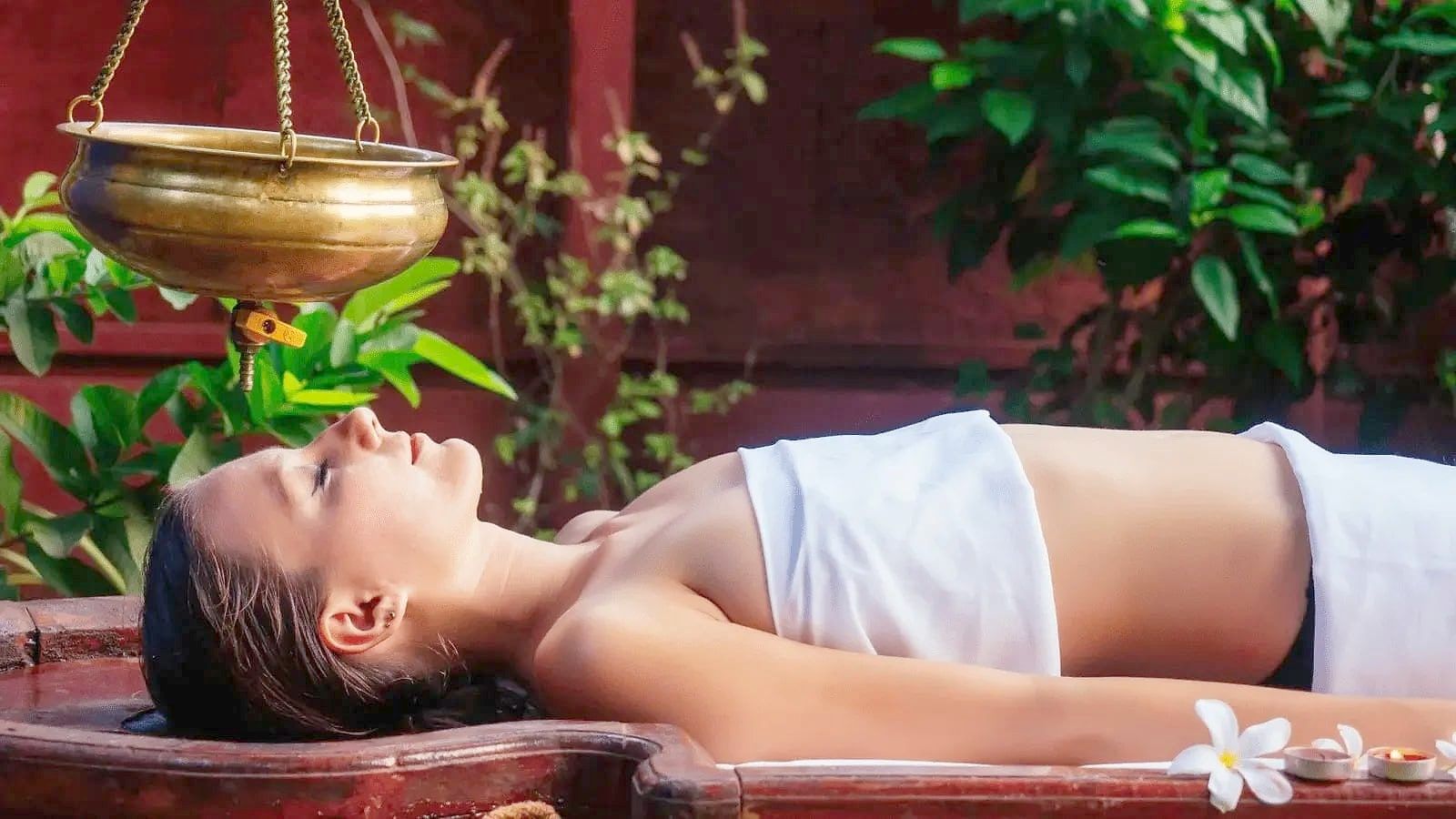
Shirodhara: a Stream of Warm Oil on the Forehead
Shirodhara is a treatment in which warm oil or another liquid is poured onto the forehead in a thin stream for half an hour or more. How it works, the different types of dhara, what to do afterwards and who it doesn't suit.
Read moreUdvartana: Dry Herbal Powder Massage
Udvartana is a vigorous rub of the body with herbal powder, from the bottom up, against the direction of hair growth. In ayurveda it is used for kapha conditions. How it differs from oil massage, which powders are used and who it doesn't suit.
Read morePanchakarma
Rasayana: Ayurveda's Strengthening Regimen Explained
Rasayana is not a single remedy but a whole branch of ayurveda on how the body is strengthened after cleansing. What the classical texts say about it, what such a course is made of, and which promises have nothing to do with rasayana.
Read more Ayurvedic Detox: What It Really Is
Panchakarma is often called an Ayurvedic detox. It's a convenient word — but it usually carries a promise to 'flush out toxins' that Ayurveda itself does not make. Here is what actually happens on a program and how it differs from detox programs.
Read more
What Is a Retreat? Types of Retreats Explained
A retreat is a few days or weeks spent away from everyday life for rest, practice or recovery. Very different things are sold under this word. The kinds of retreats there are, how they really differ and what to ask the organizer before you pay.
Read more Who Panchakarma Suits and Who Should Not Have It
Panchakarma is a doctor-led program of cleansing treatments, and it is not for everyone. We have gathered the contraindications from the classical texts and the practice of modern centers, the rule about medications, questions to ask a clinic and the signs that should make you walk away.
Read more How to Prepare for Panchakarma and What Comes After
Panchakarma doesn't start on the day you arrive or end on the day you leave. How to lighten your diet and routine in advance, what to expect at the clinic, how to look after yourself in the first weeks at home and what to do if you feel worse.
Read more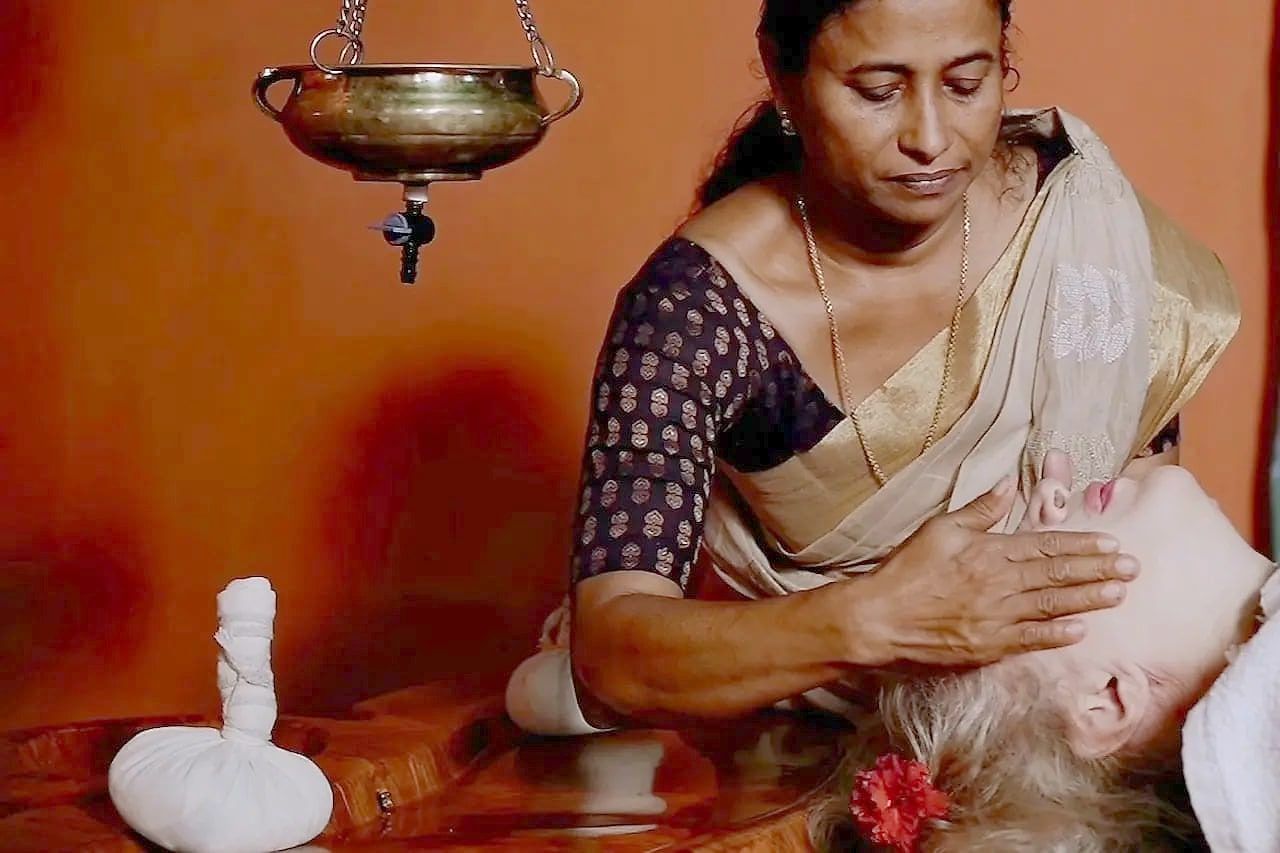
What Is Panchakarma? A Plain-English Guide
Panchakarma is neither a single treatment nor a spa package but a doctor-led program in three stages: preparation, cleansing procedures and a return phase. What the word means, what determines the length and why a doctor is needed.
Read moreBeauty and care
How to read these articles
Ayurveda is a traditional medical system with its own language: doshas, agni, ama. We explain these ideas the way Ayurvedic doctors use them.
Every article about a treatment has a “who shouldn’t have it” section, and it matters more than the “why” section. Treatments and panchakarma are prescribed by a doctor after an examination; the articles don’t replace a consultation.
Each article lists its sources: classical texts, textbooks and reference works.
If you’re reading about the doshas for the first time, it’s easiest to start with yourself: the dosha test shows which doshas are prominent in you, and the articles below explain what that means.
Message us
We reply personally, tell you more and help you choose the program and dates. The message is pre-filled — just press Send.
We usually reply within a few hours.